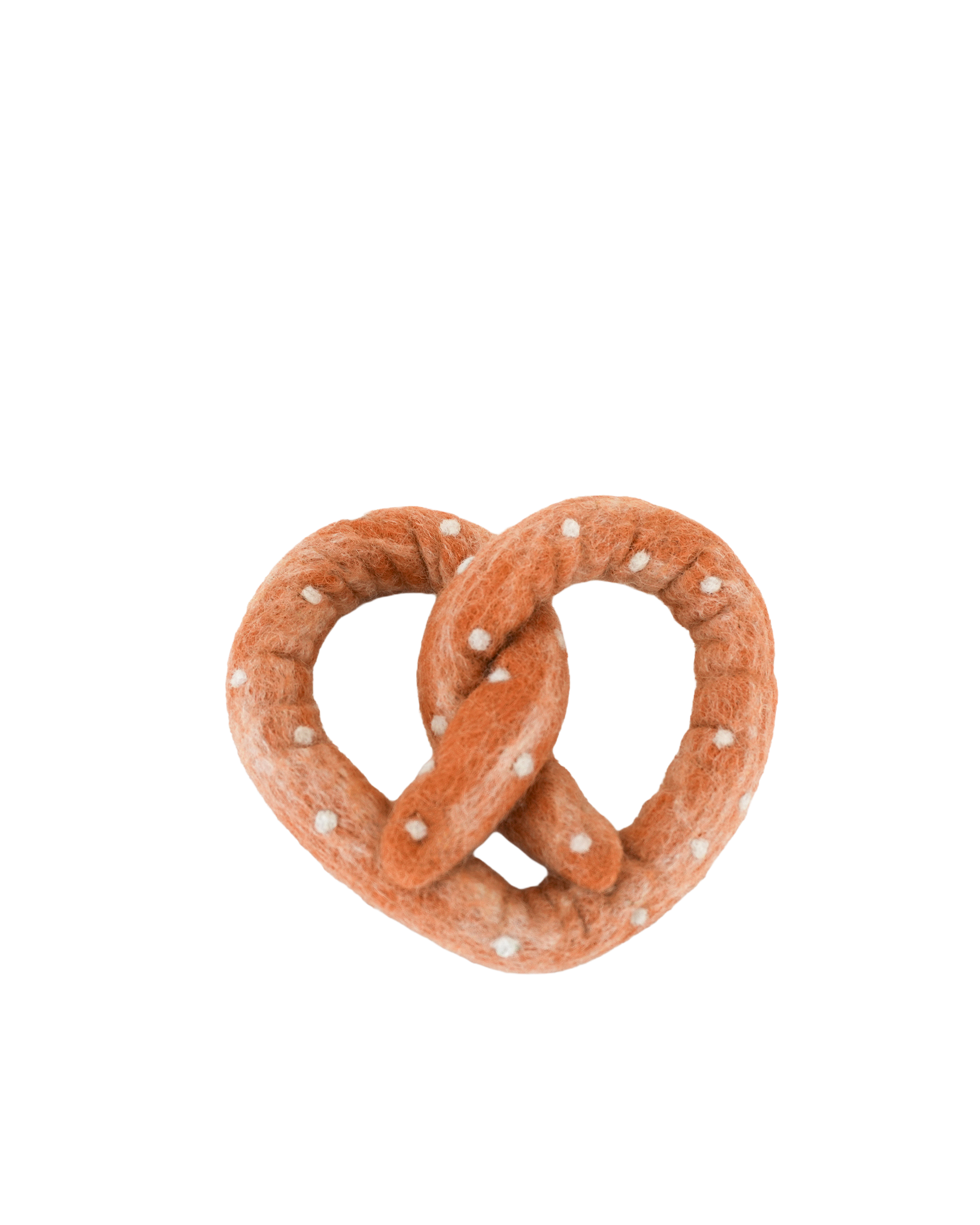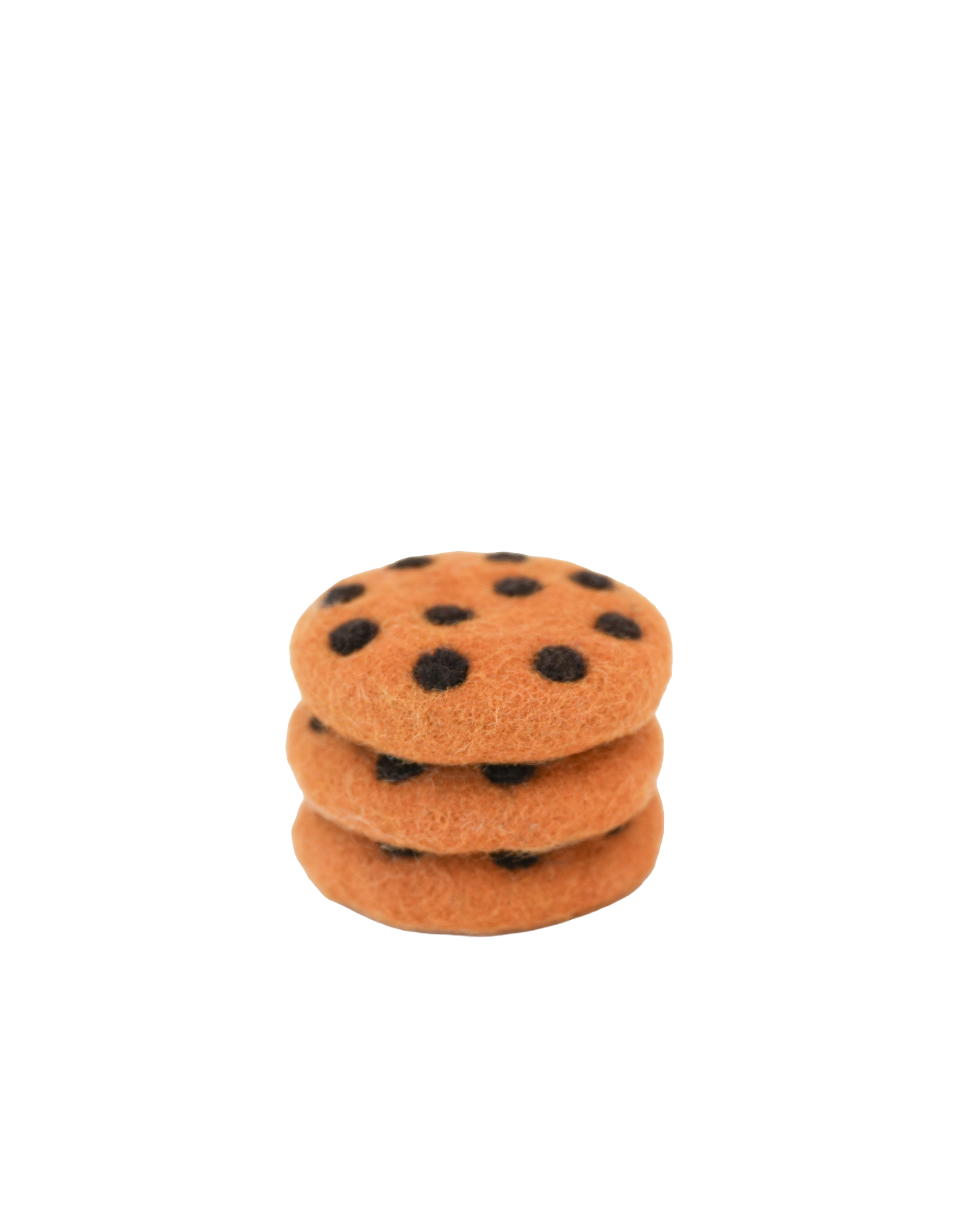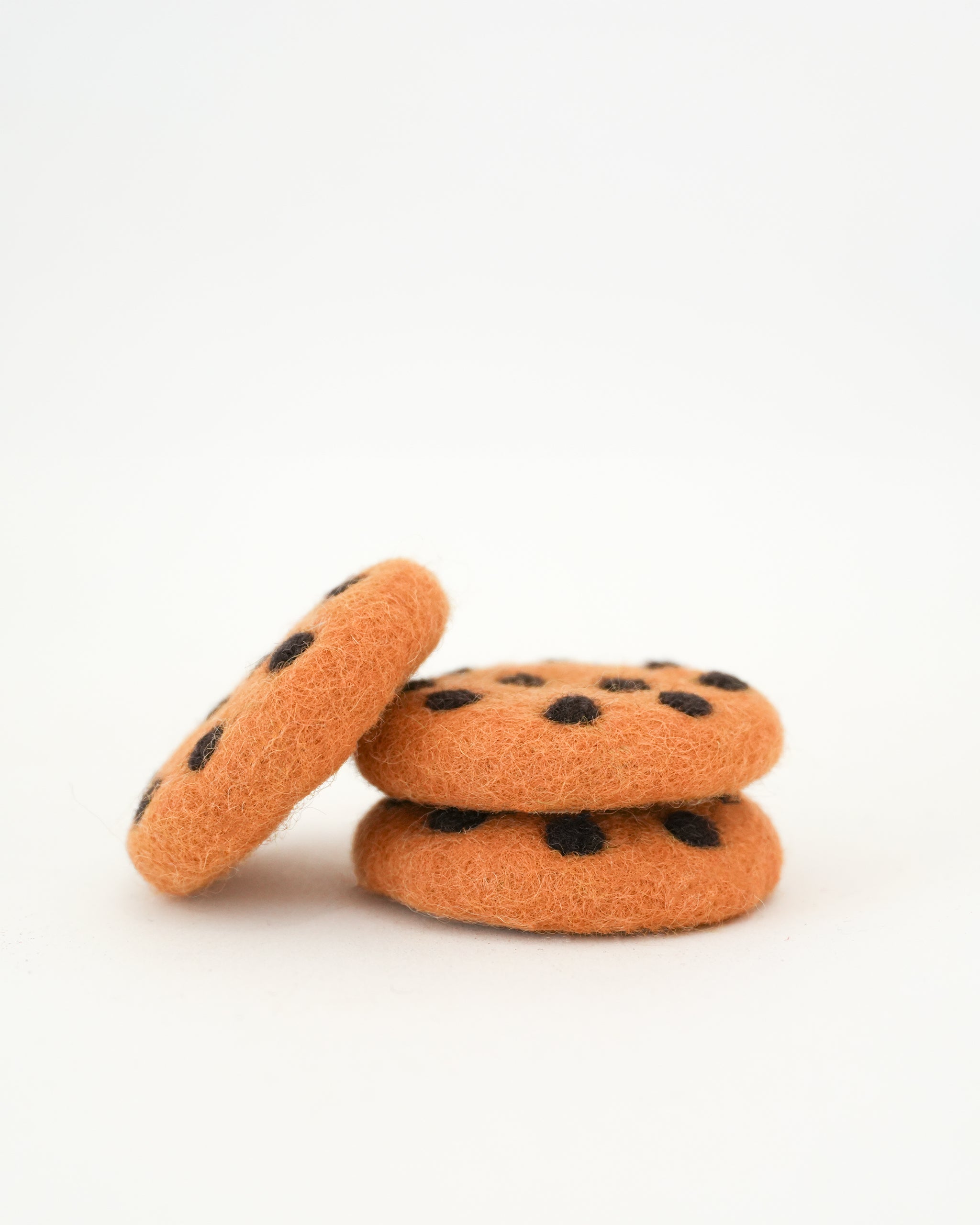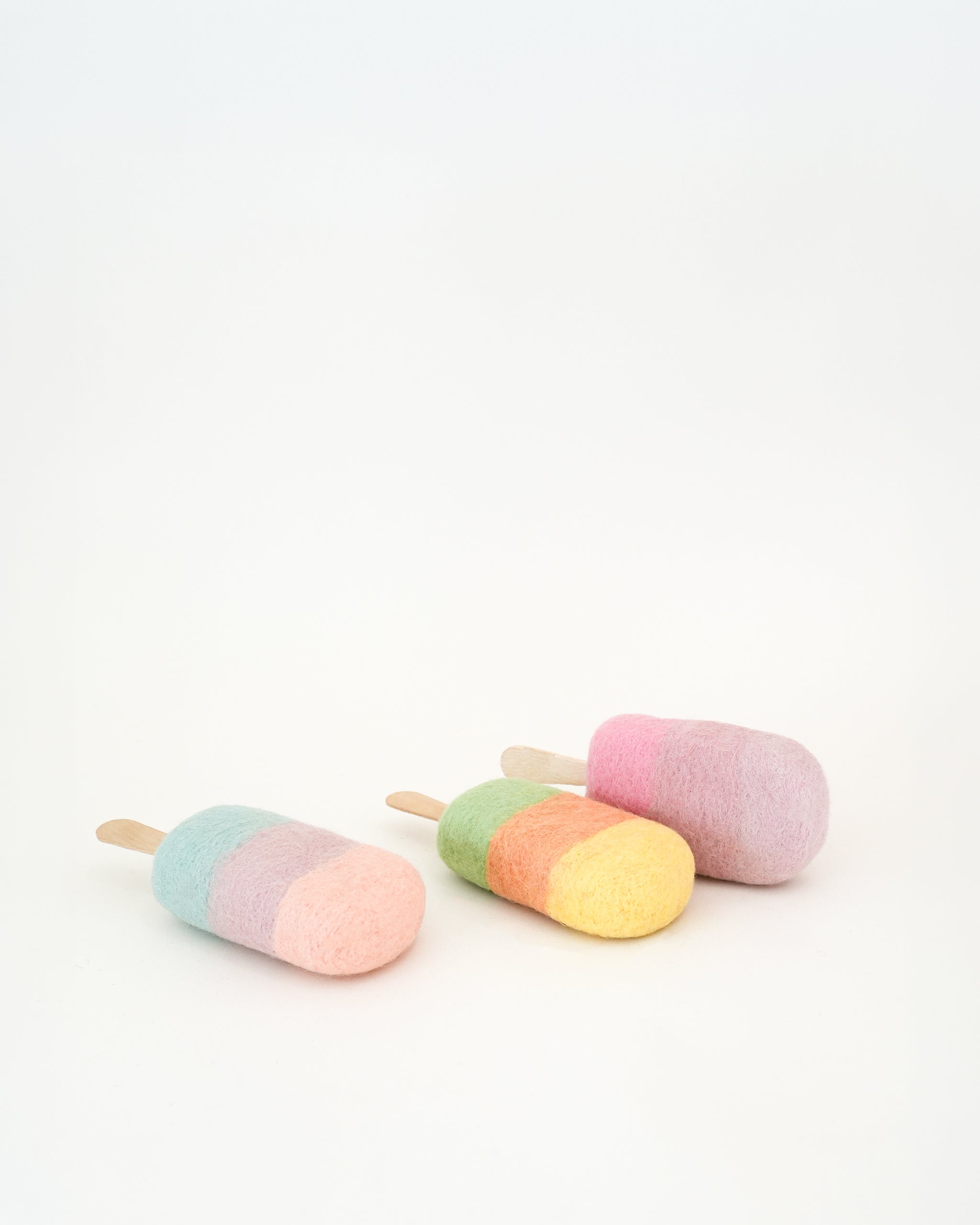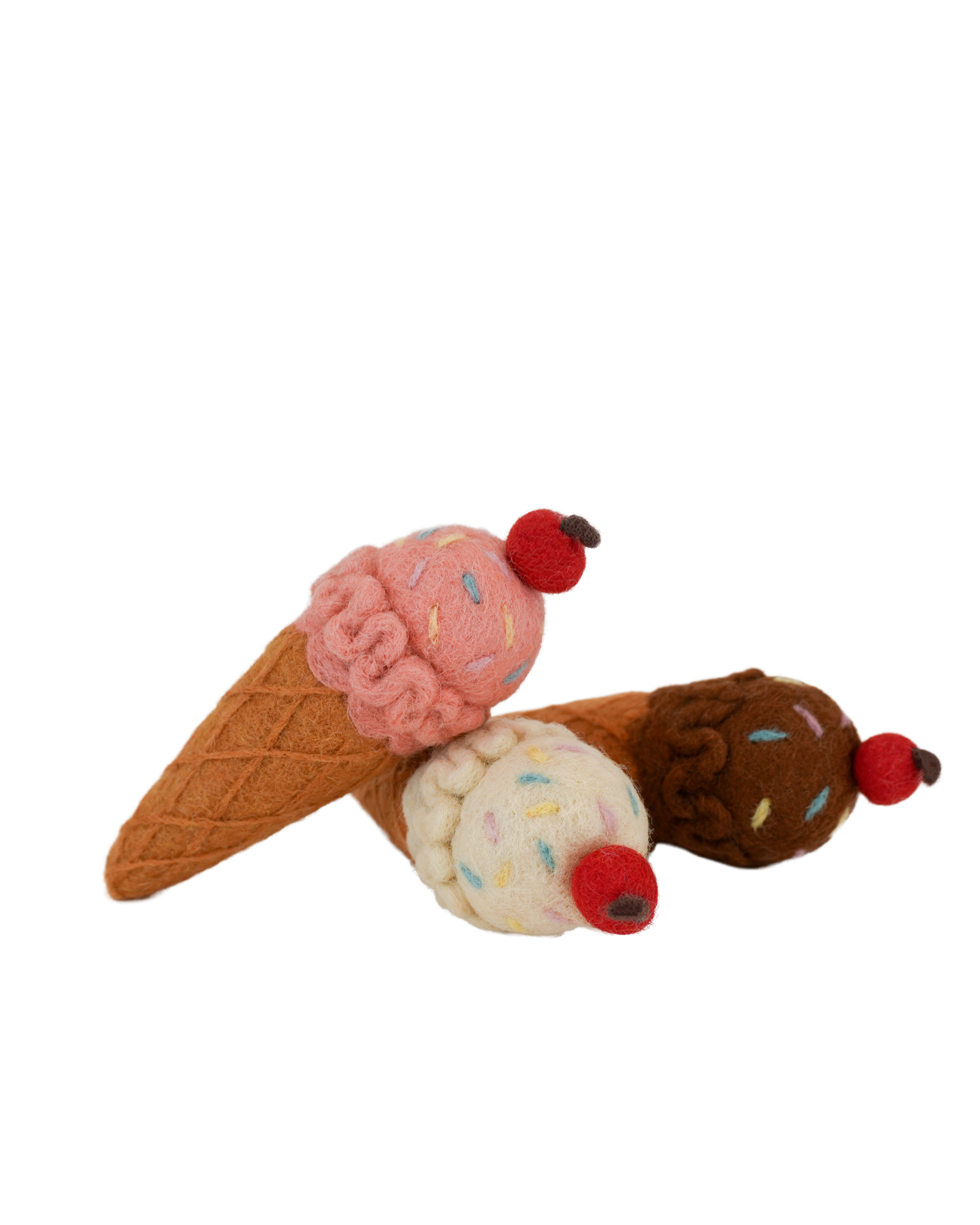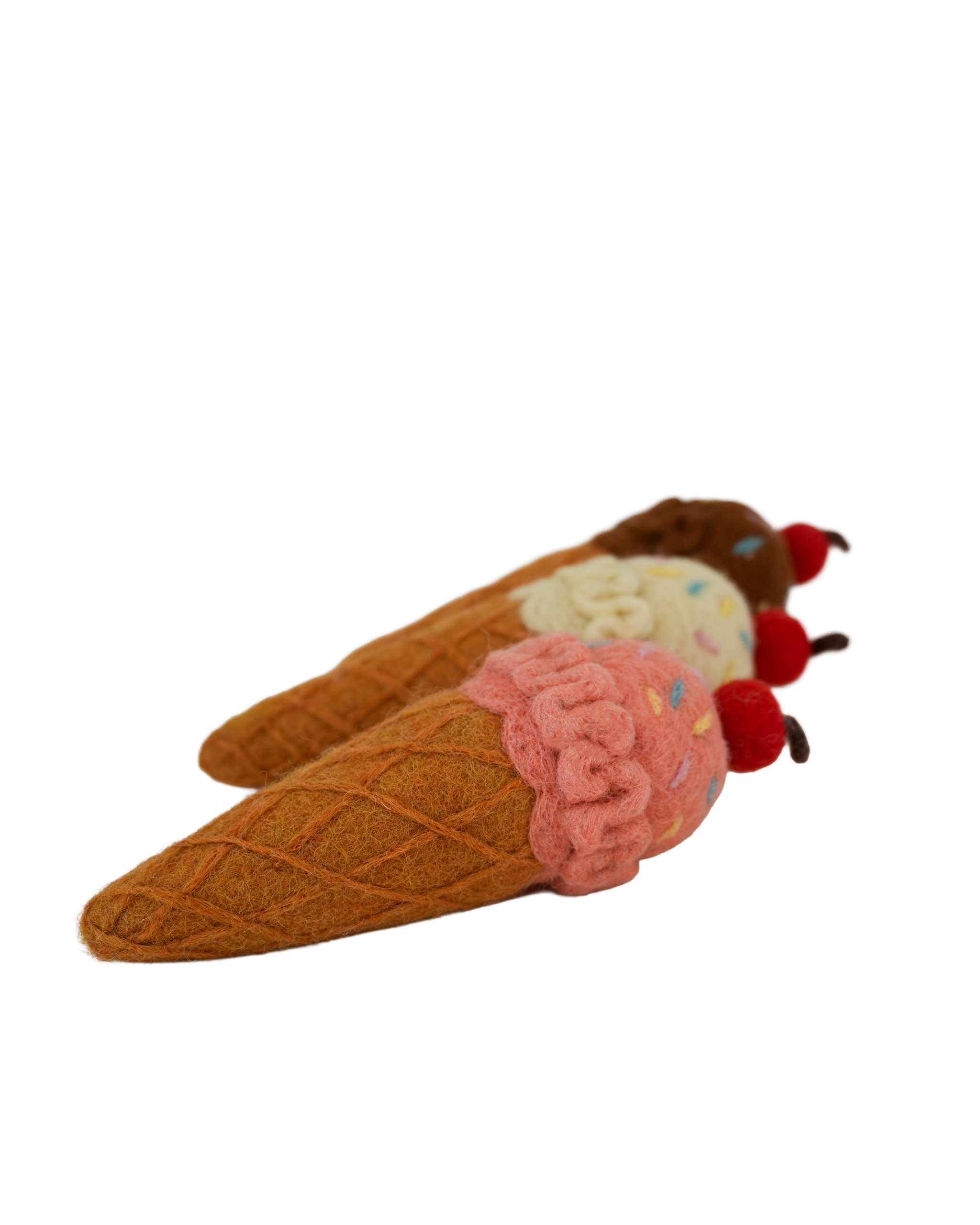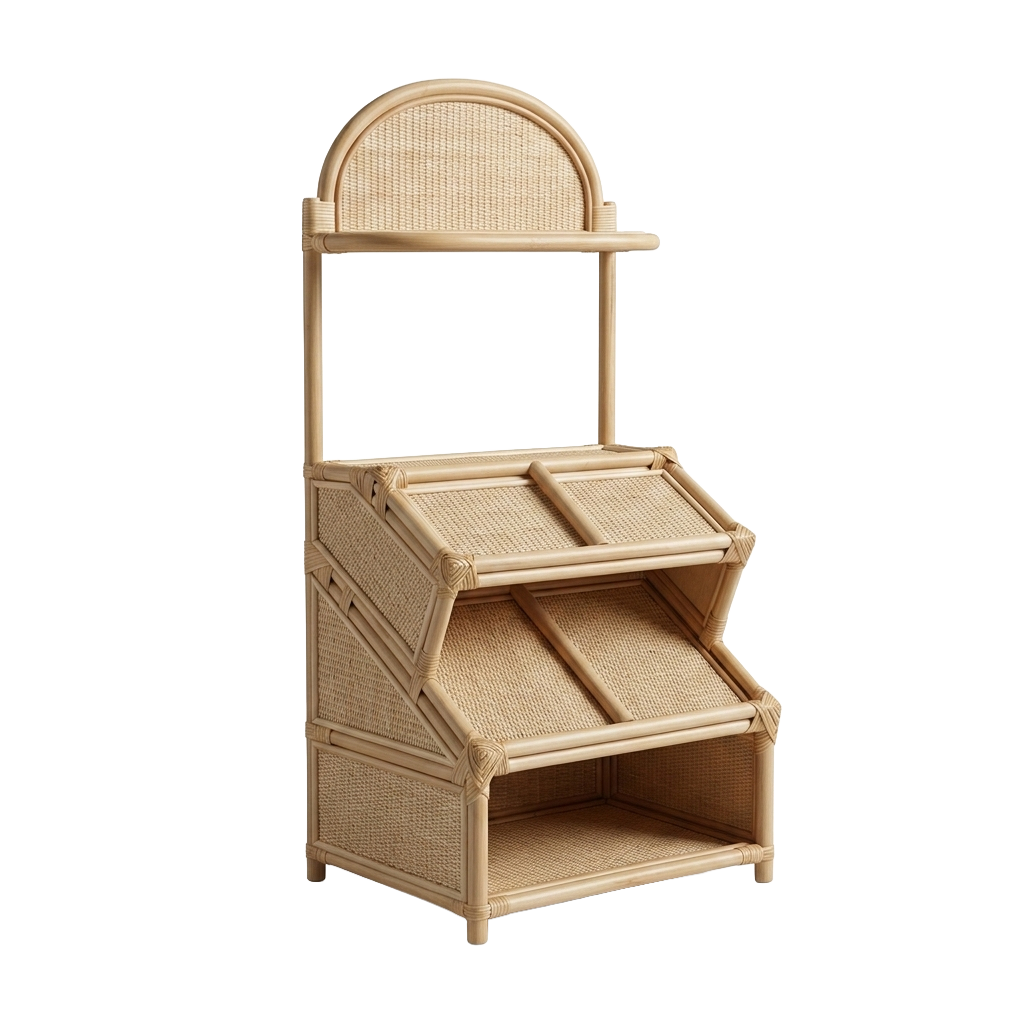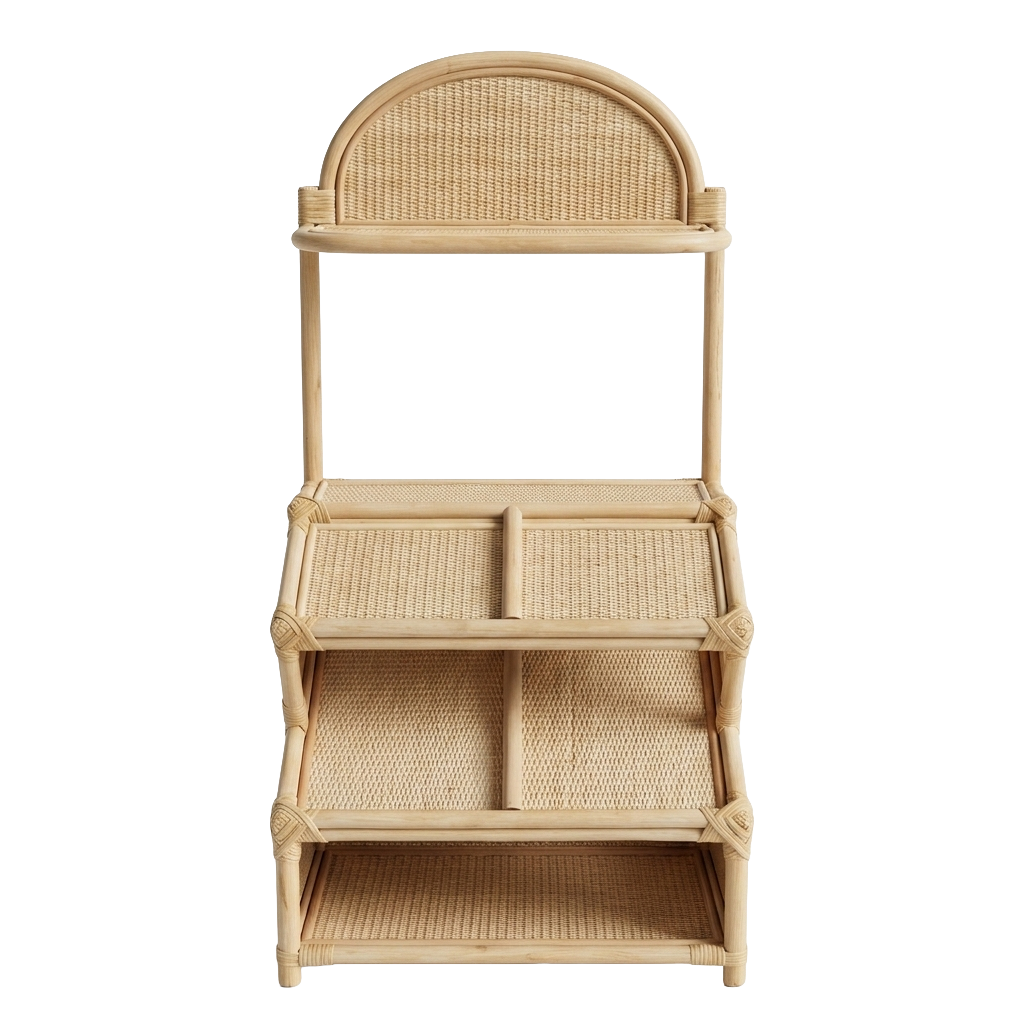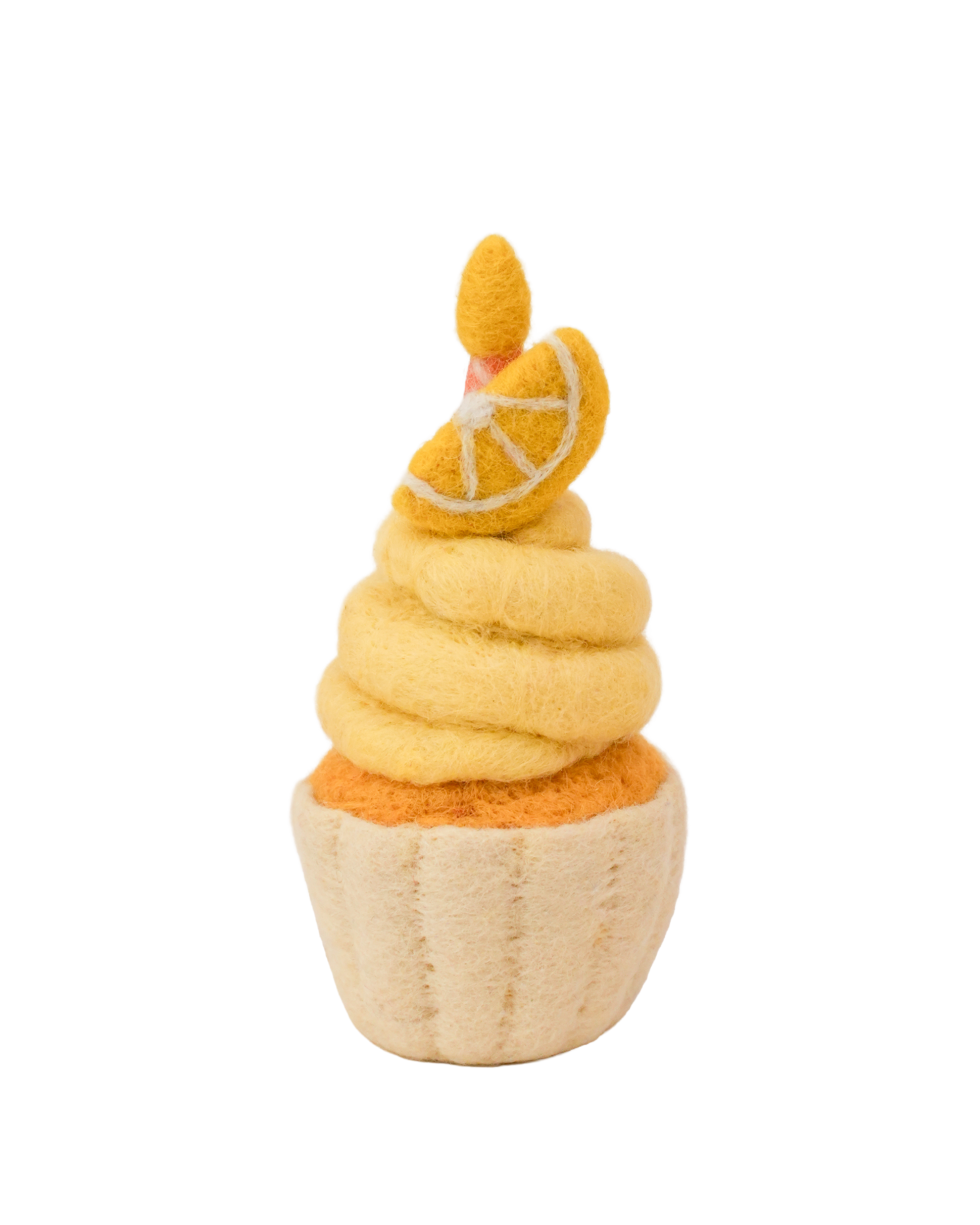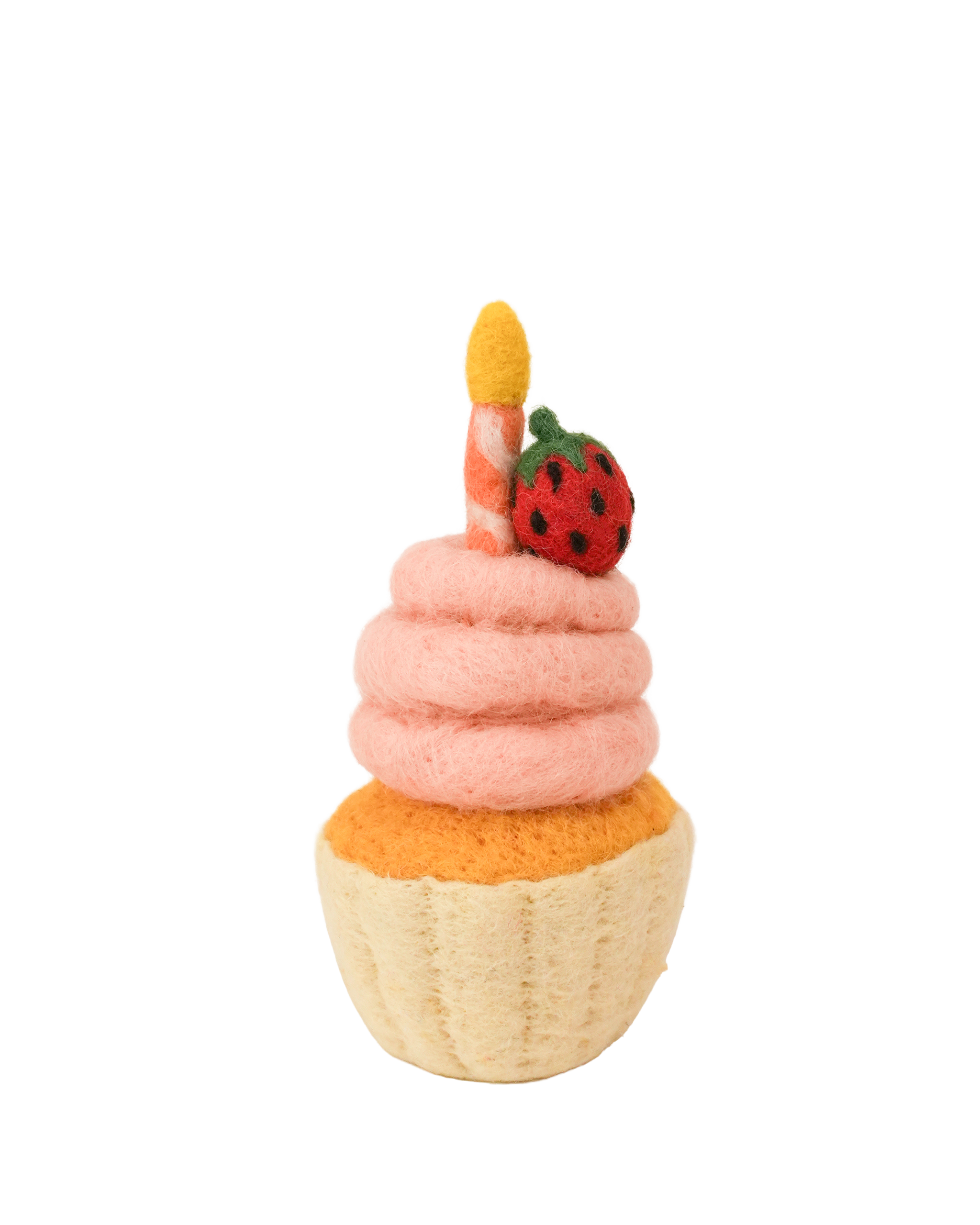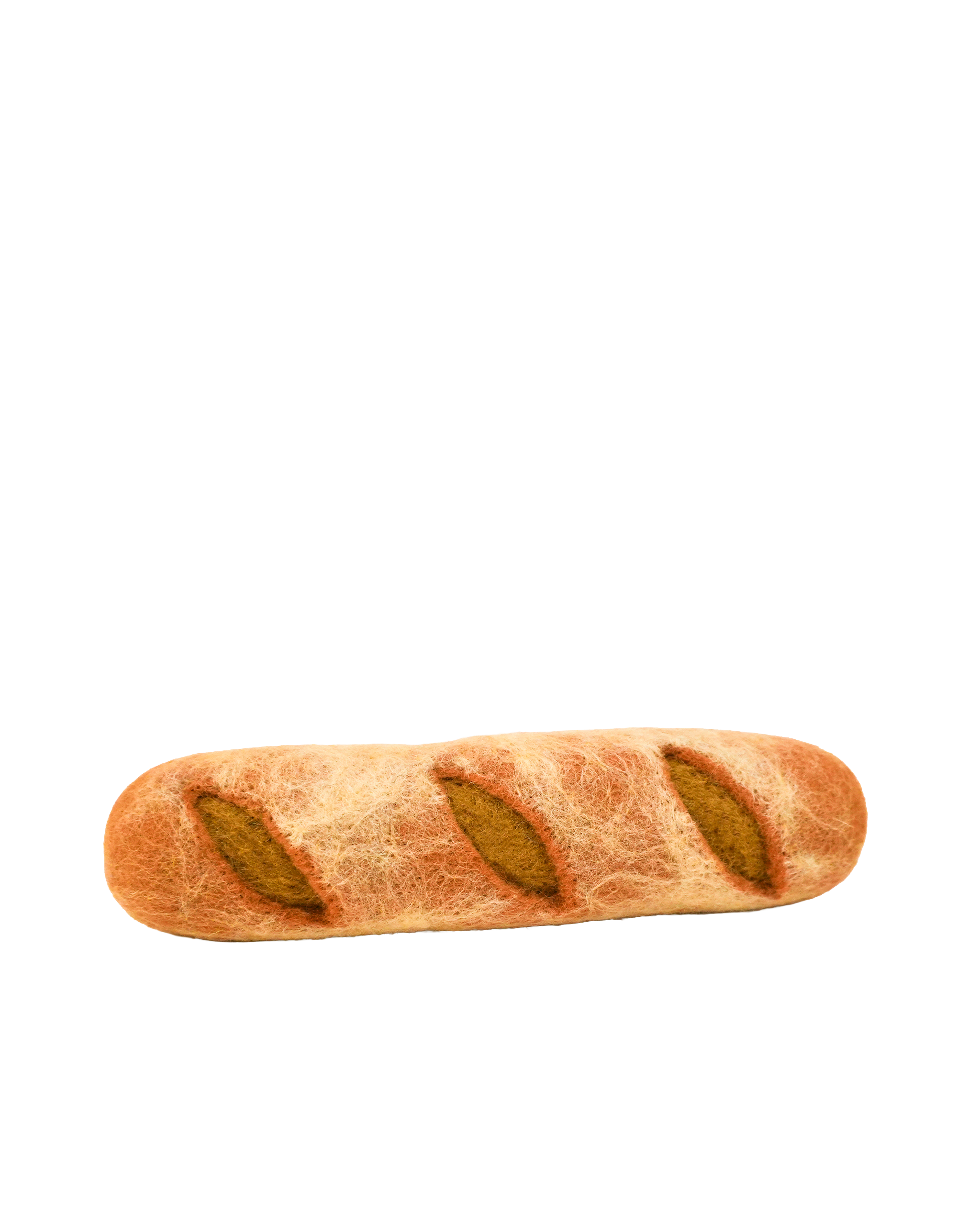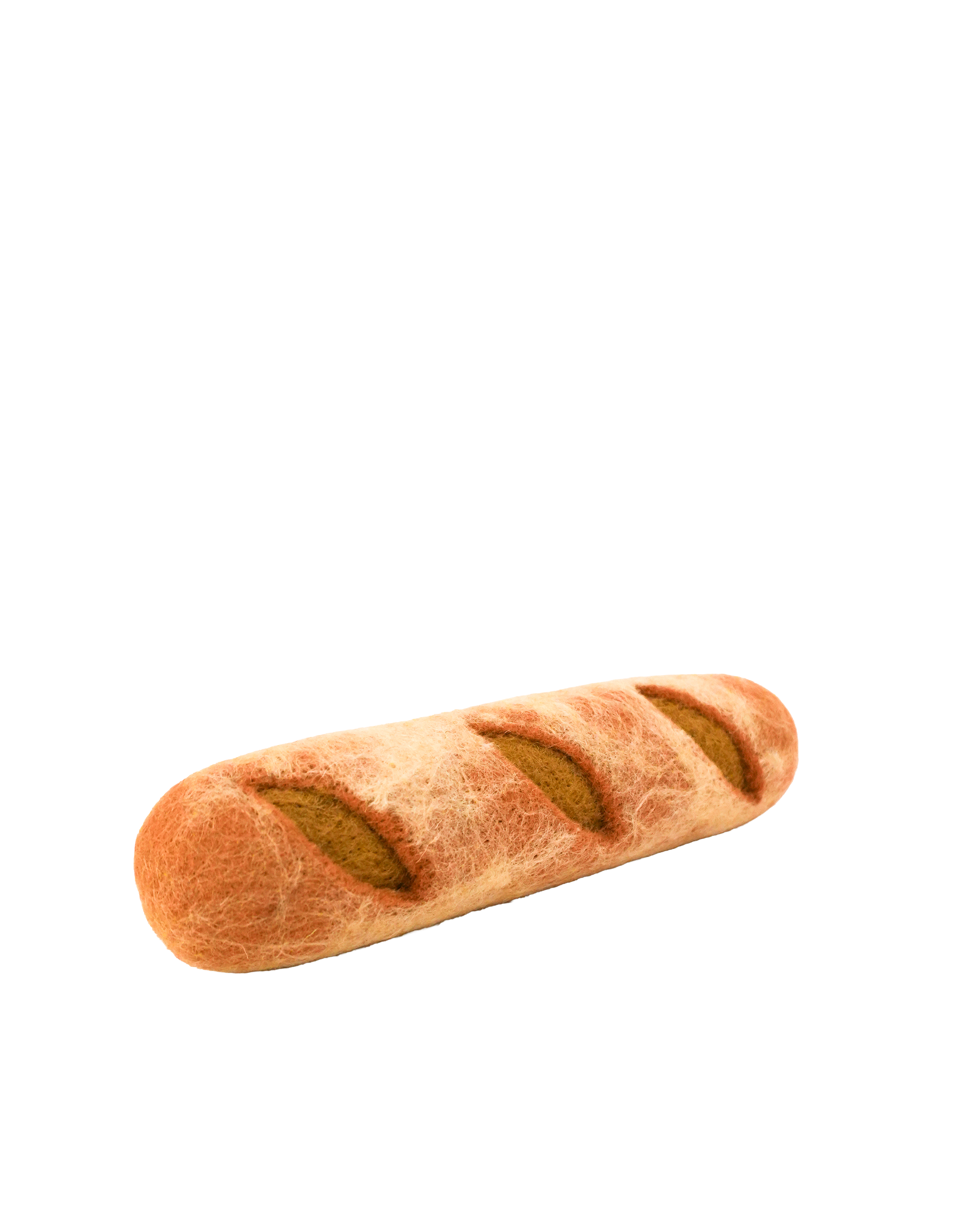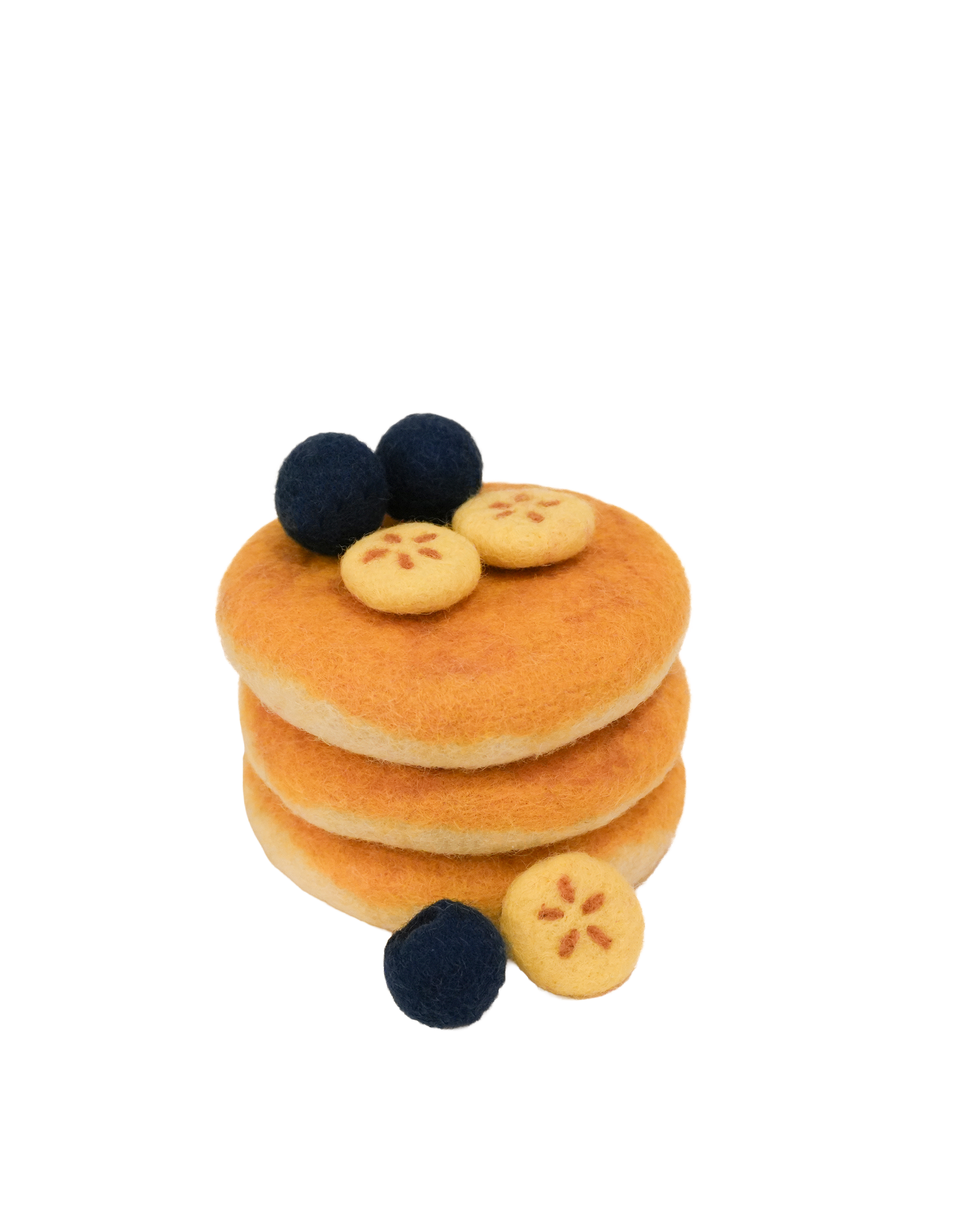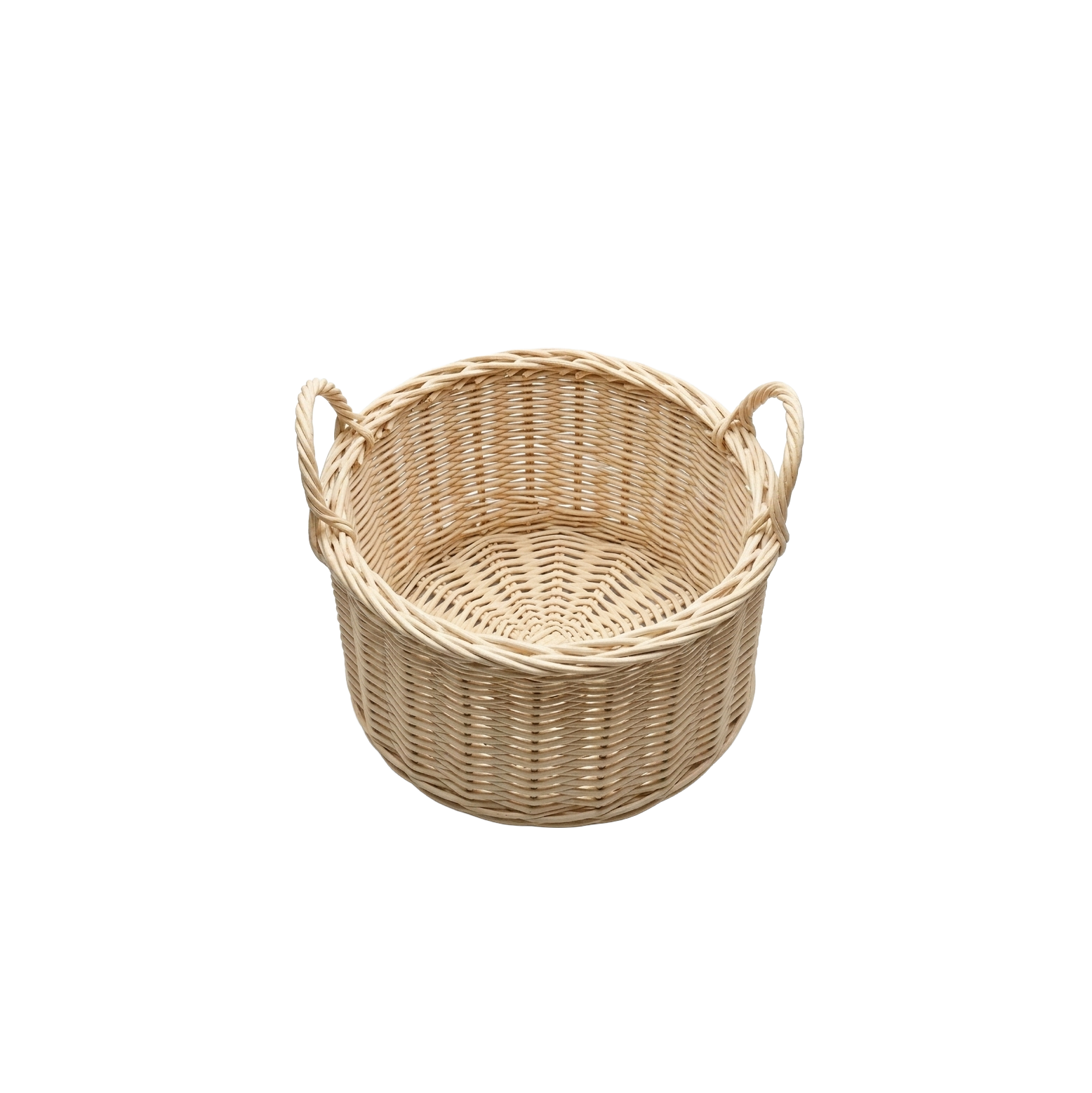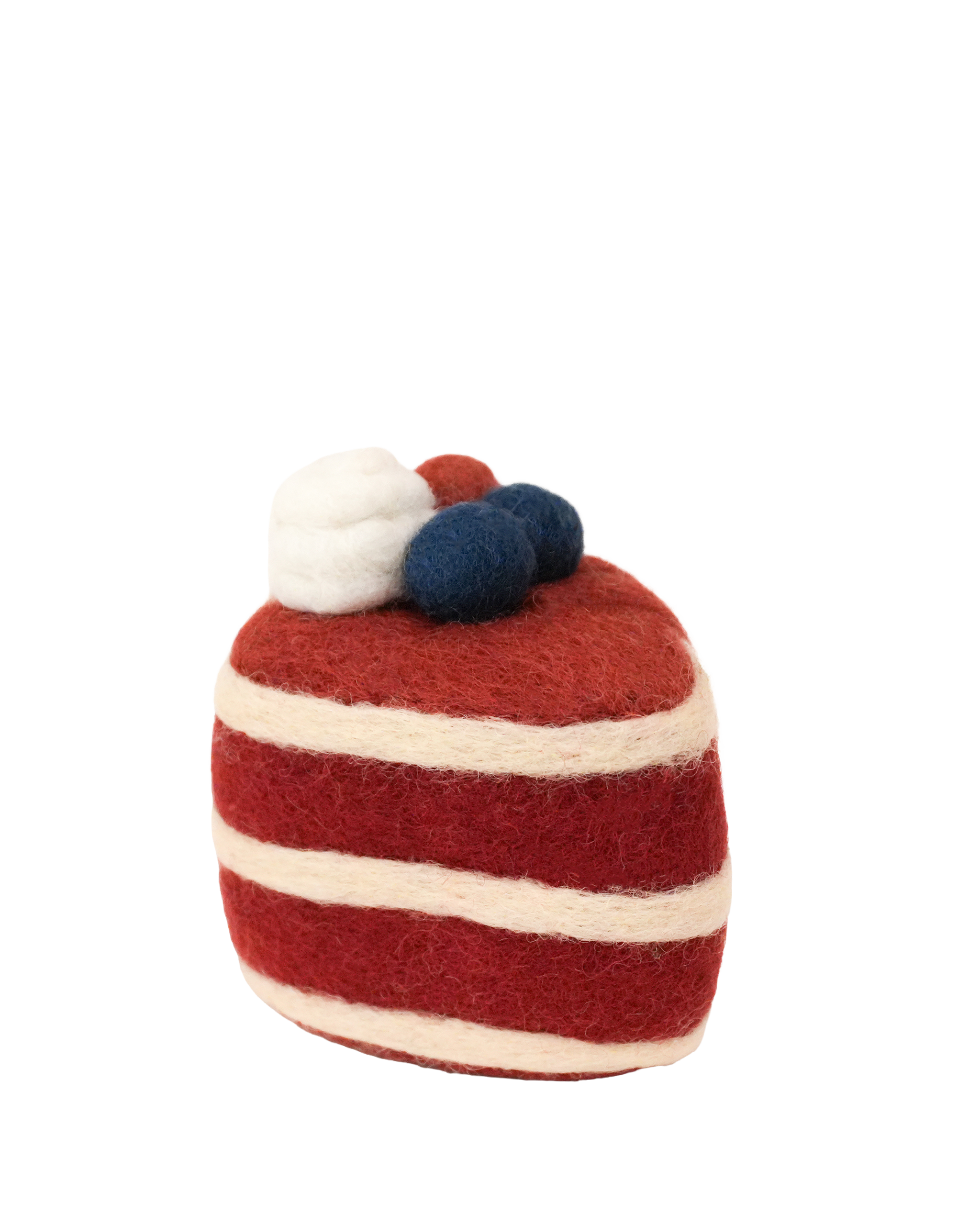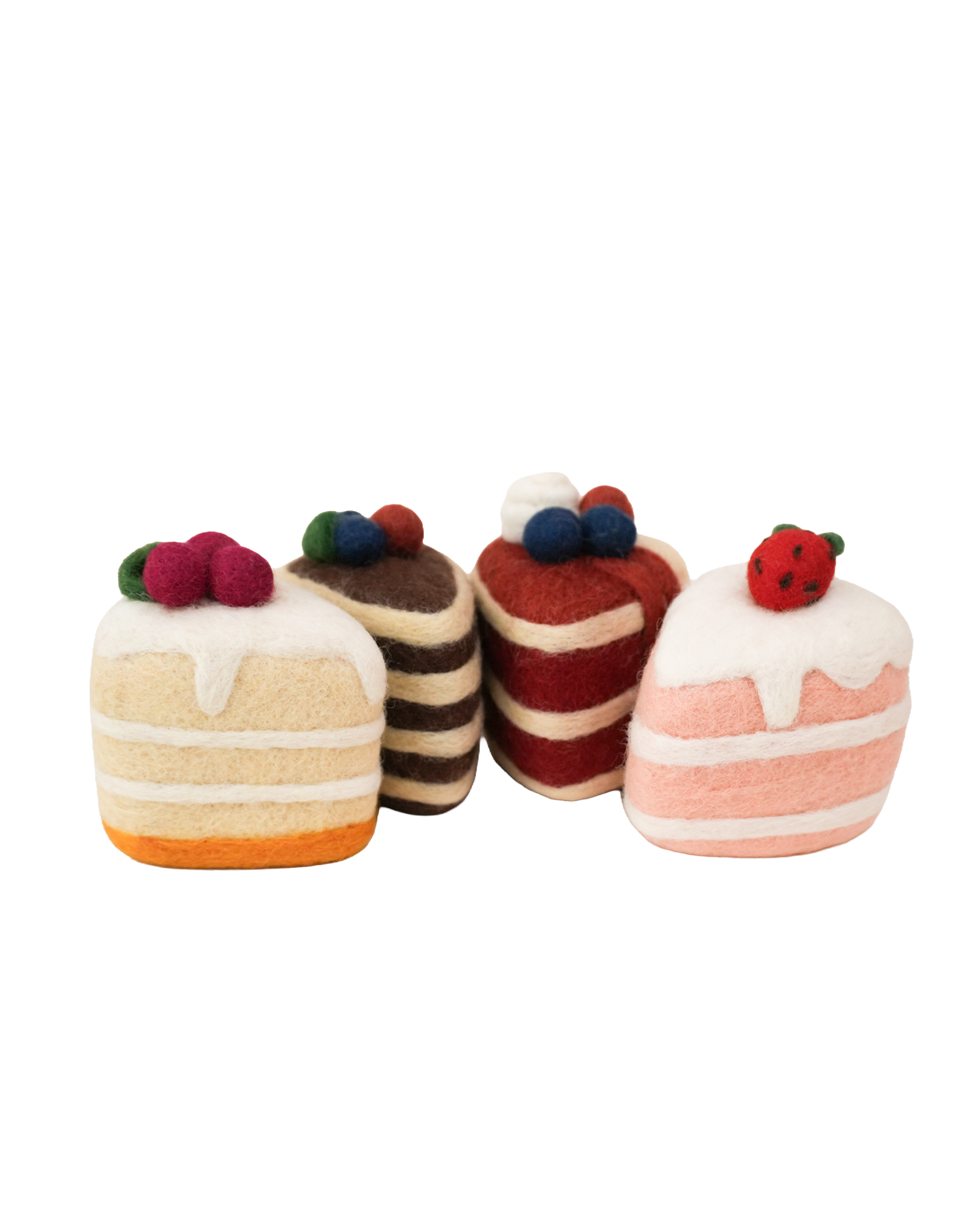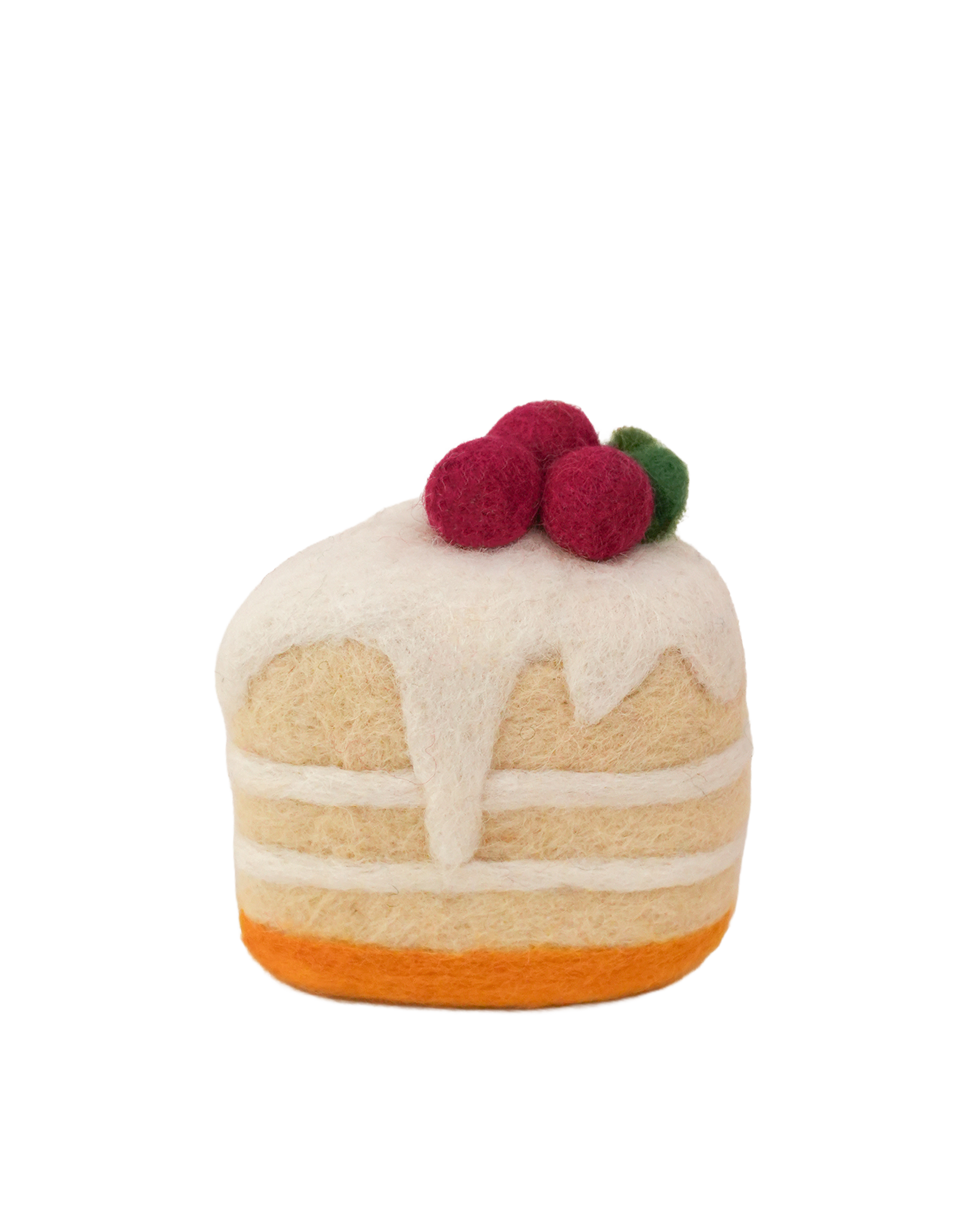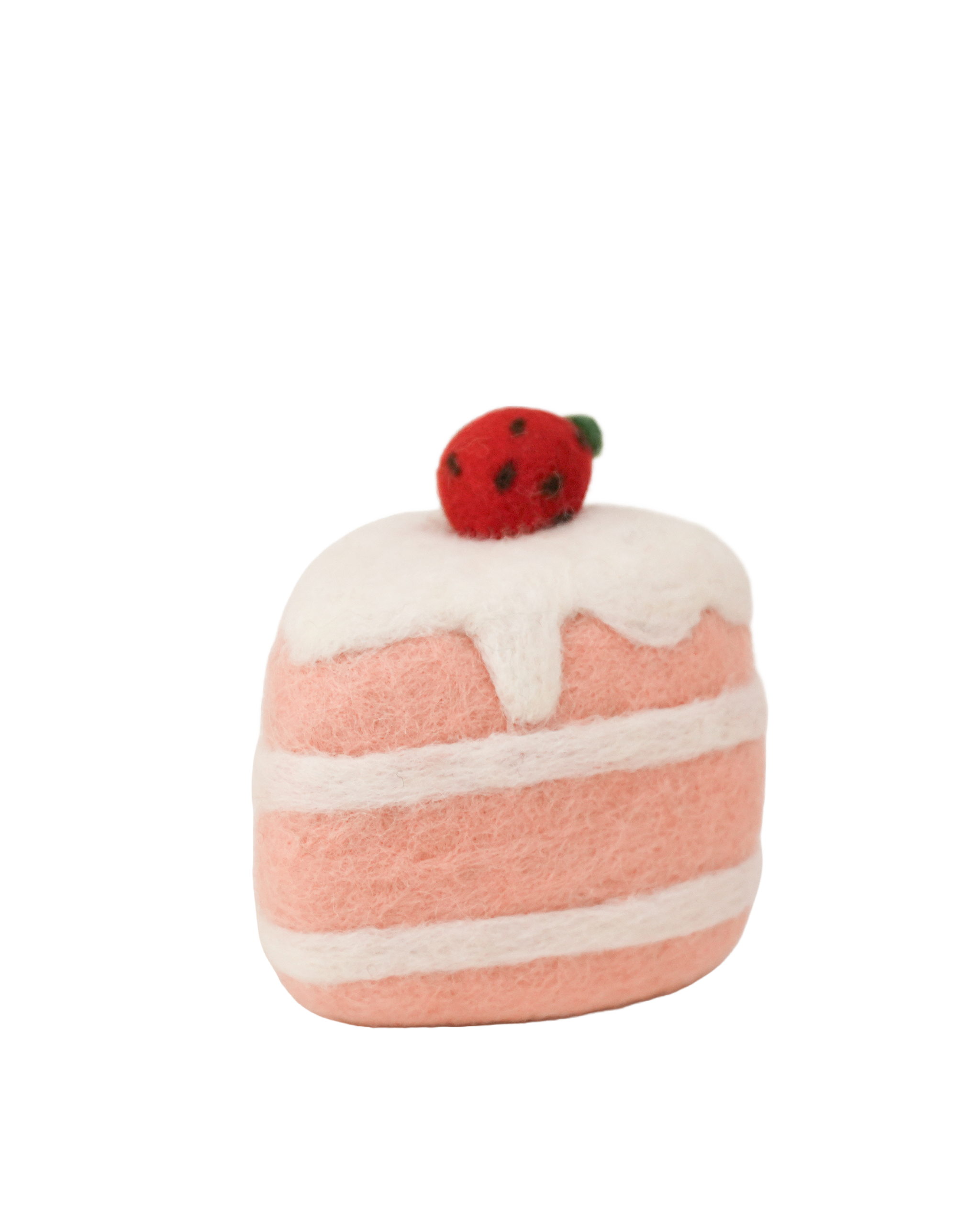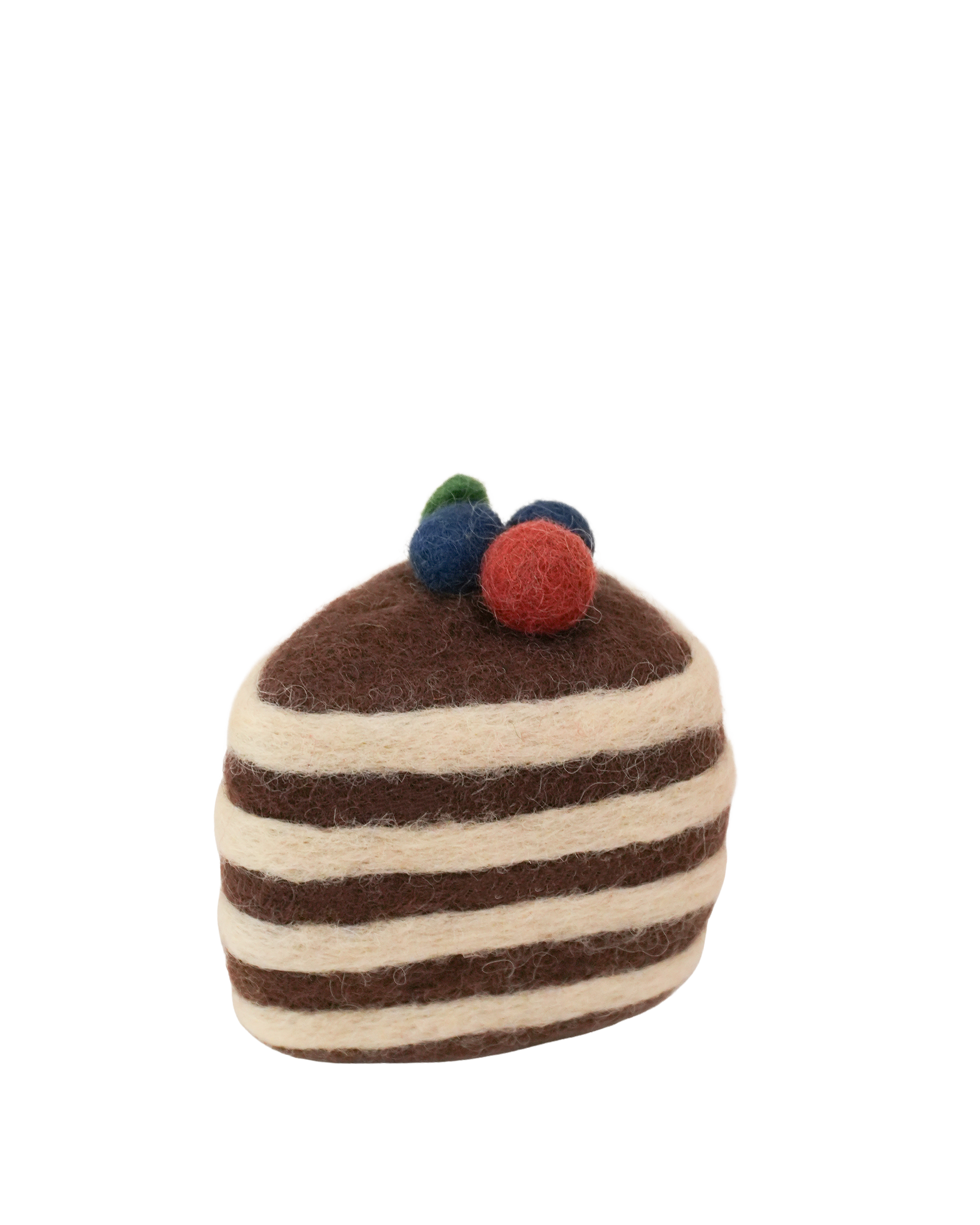

Felt Pretend Food and Play: Can It Help Picky Eaters?
How Felt Pretend Food Supports Picky Eaters Through Play
Felt pretend food might not seem like something that could change mealtimes, but for many parents, it quietly does.
If you’ve ever sat across from your child, negotiating over one bite, you already know how emotional food can become. It’s not really about the food anymore.
It’s about control, pressure, and resistance.
And then, something interesting happens.
The same child who refuses a real tomato will happily “slice” one, cook it, and serve it to you in their play kitchen. No stress. No arguments. Just play.
That’s where felt pretend food comes in - not as a solution you force, but as something that shifts the entire experience.
Because when food enters a child’s world through play, everything changes. The expectations disappear. The tension softens. And slowly, through small repeated interactions with felt pretend food, food becomes something familiar instead of something to avoid.
Felt pretend food creates a completely different starting point for picky eaters.
Instead of being asked to taste or try, children get to explore food in a way that feels safe and fully in their control.
Think about it - during play, there are no rules. No one is watching closely. No one is encouraging or pushing. And because of that, children naturally relax.
When kids spend time interacting with felt pretend food, they repeat small actions: cutting, mixing, serving. These actions might look simple, but they build familiarity in a quiet, consistent way.
And familiarity is everything for picky eaters.
For many picky eaters, the challenge isn’t taste - it’s the unknown. The texture, the smell, the unpredictability. But through repeated play with felt pretend food, those unknowns slowly become known.
And when something feels known, it feels safer.
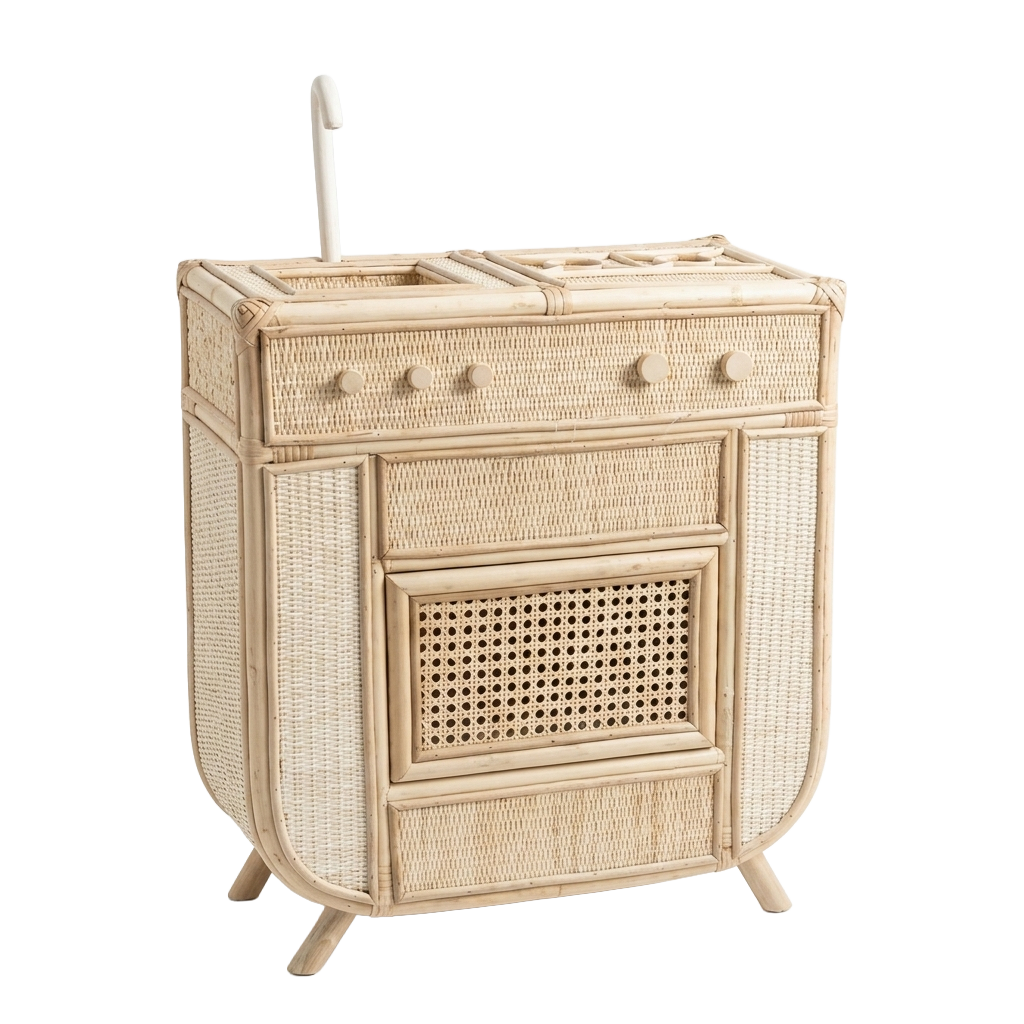
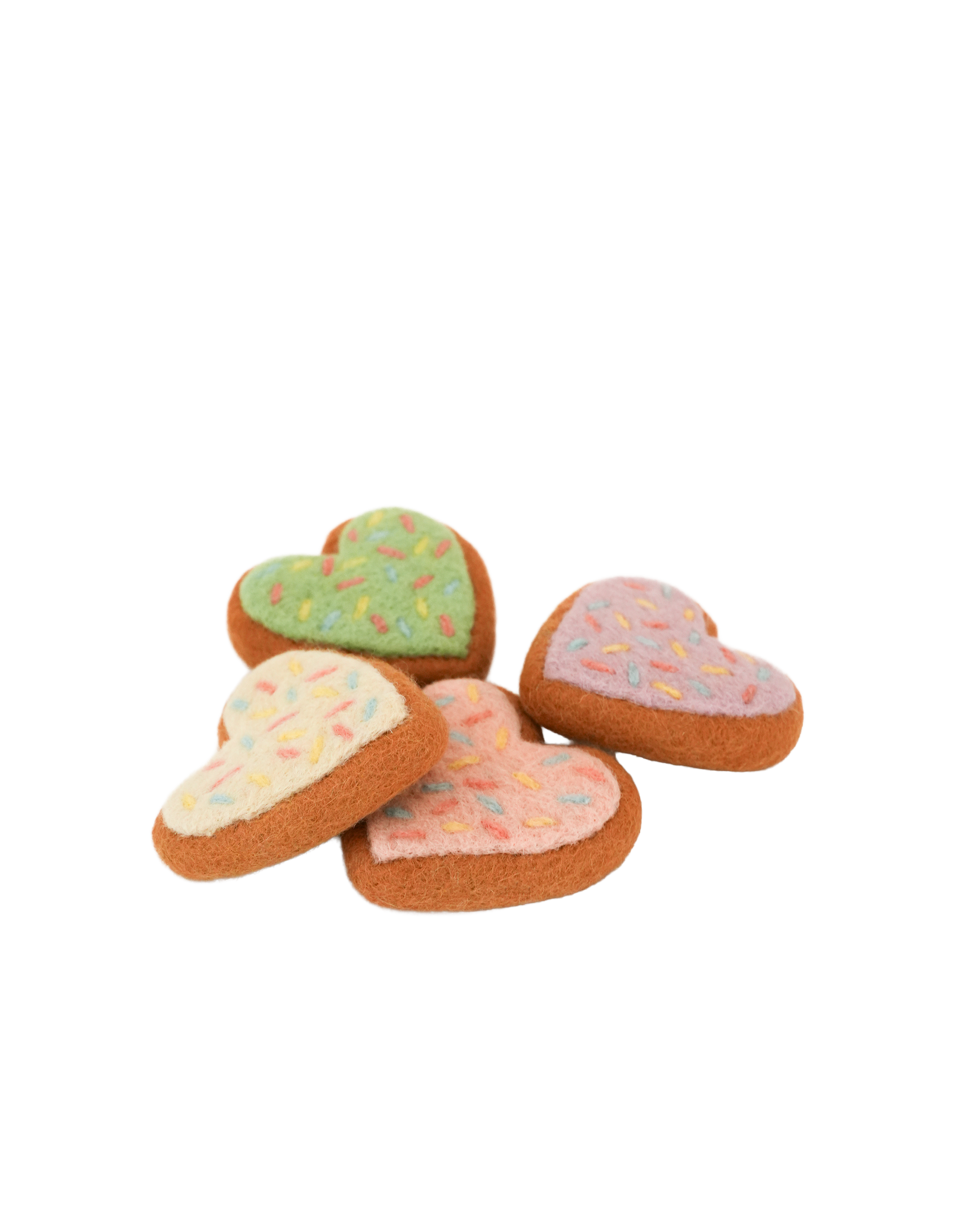
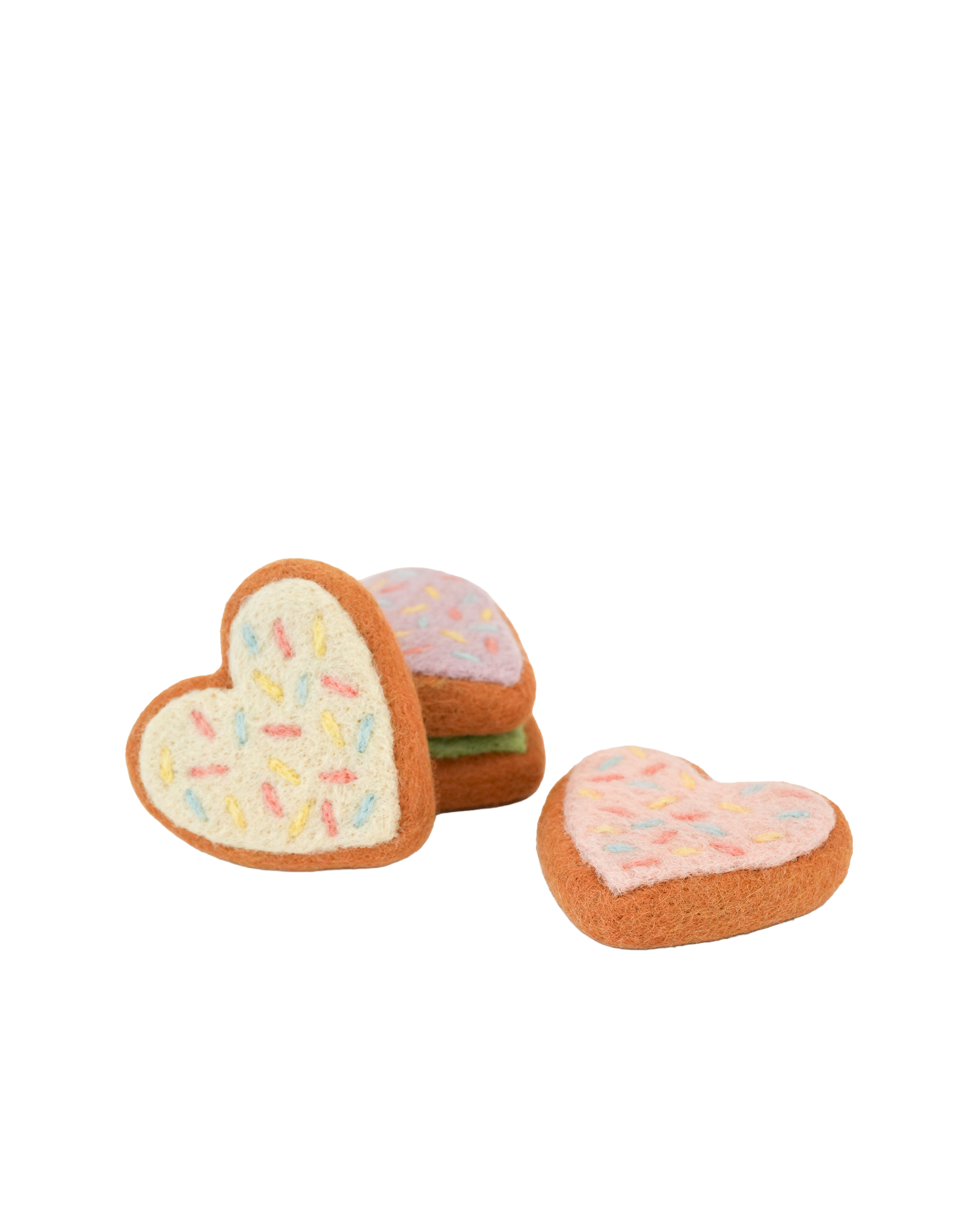
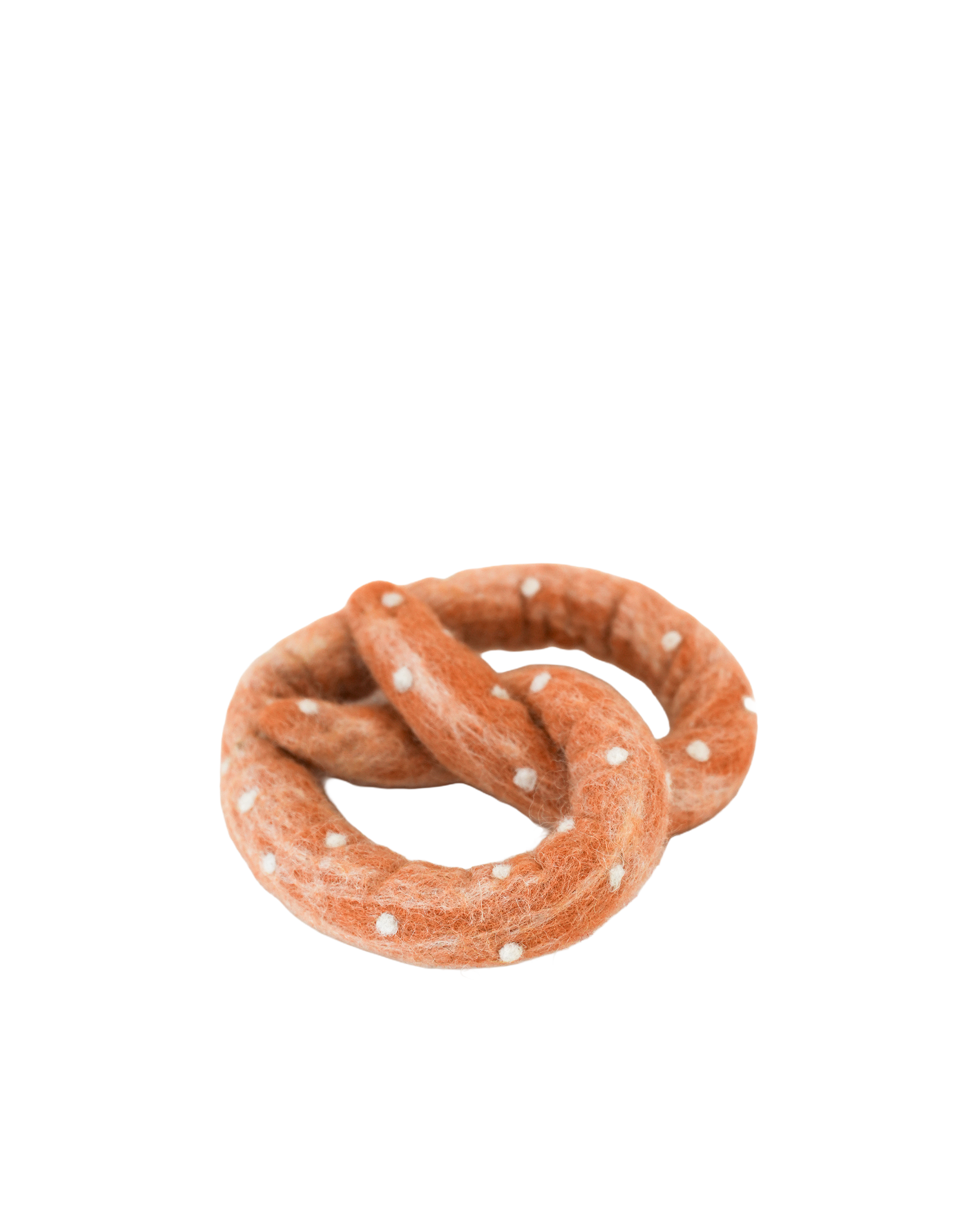
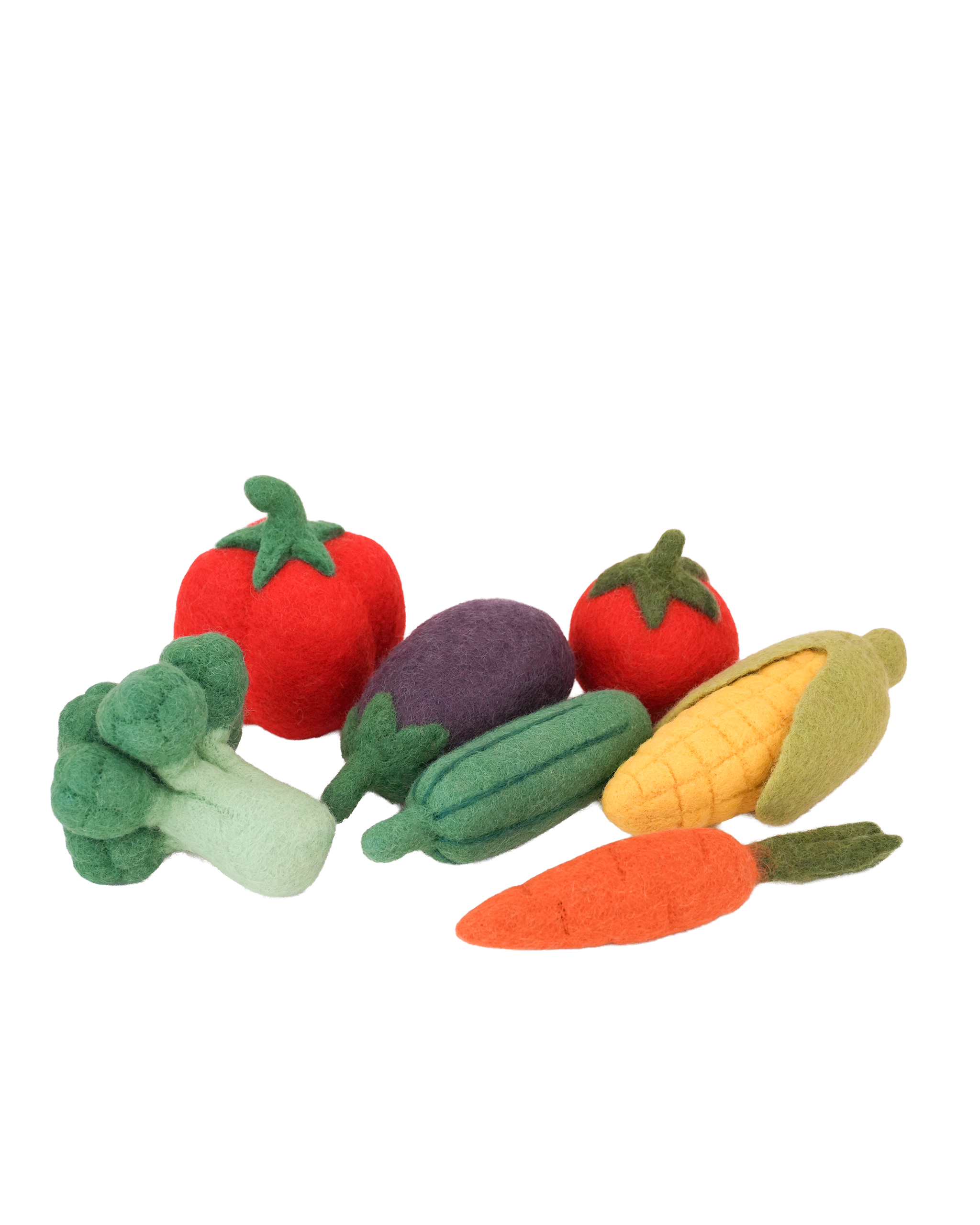
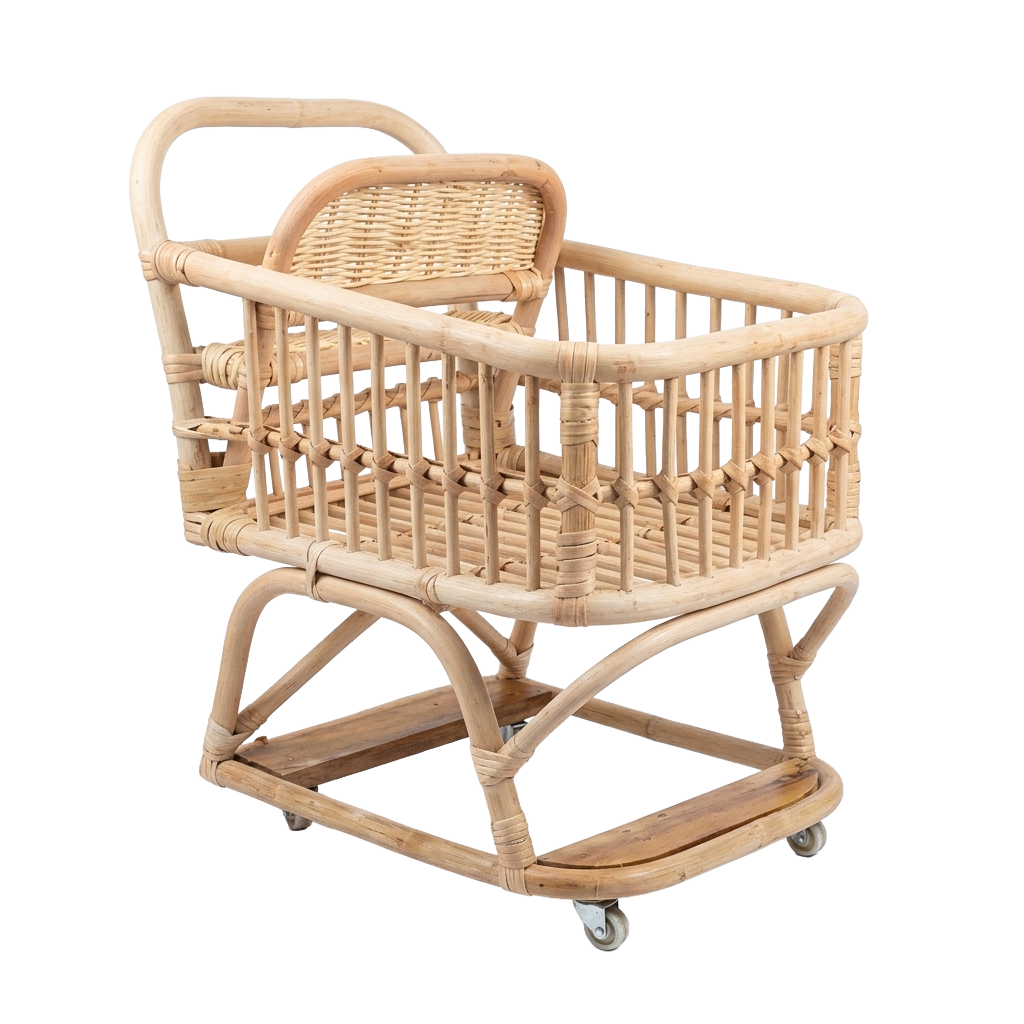
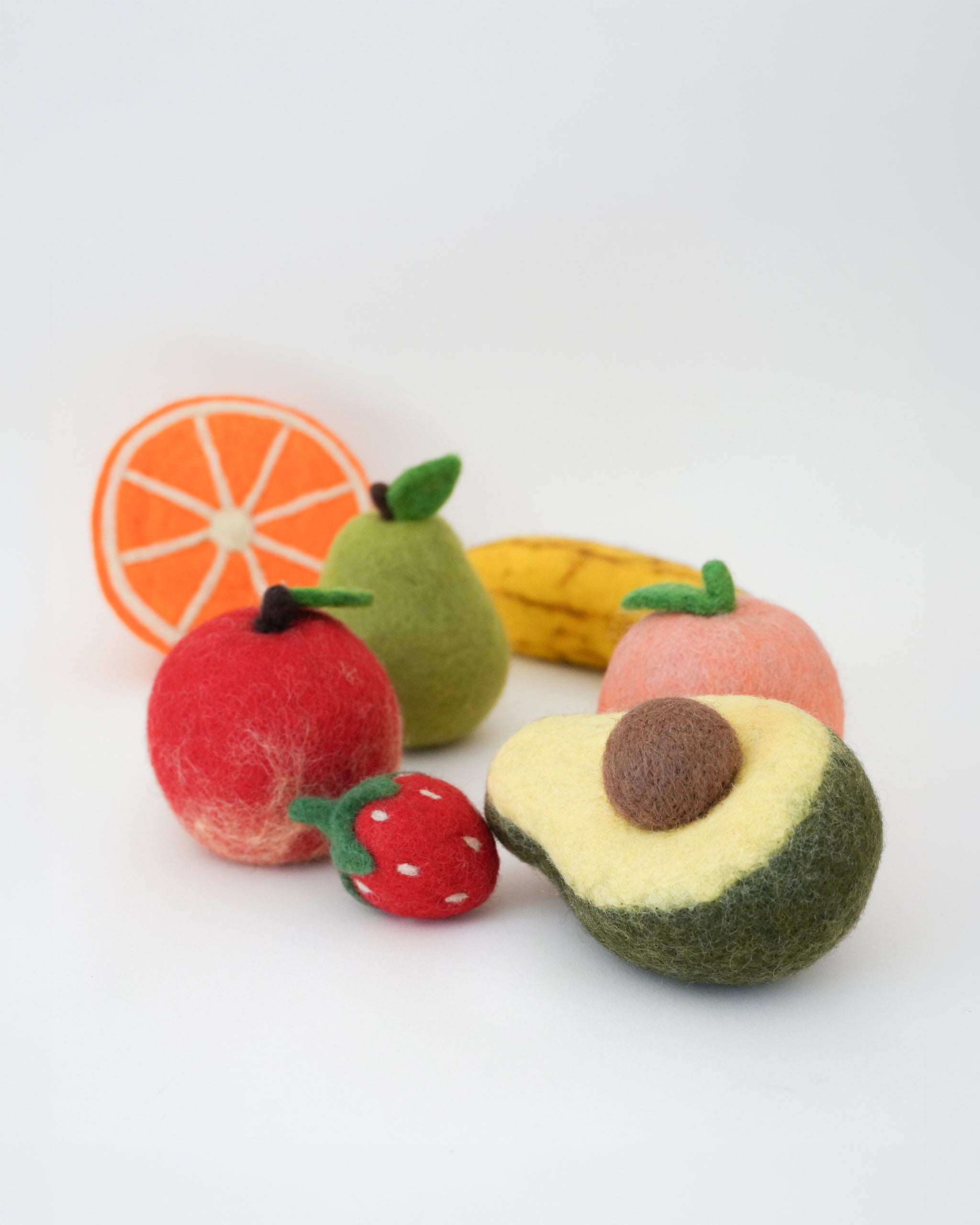
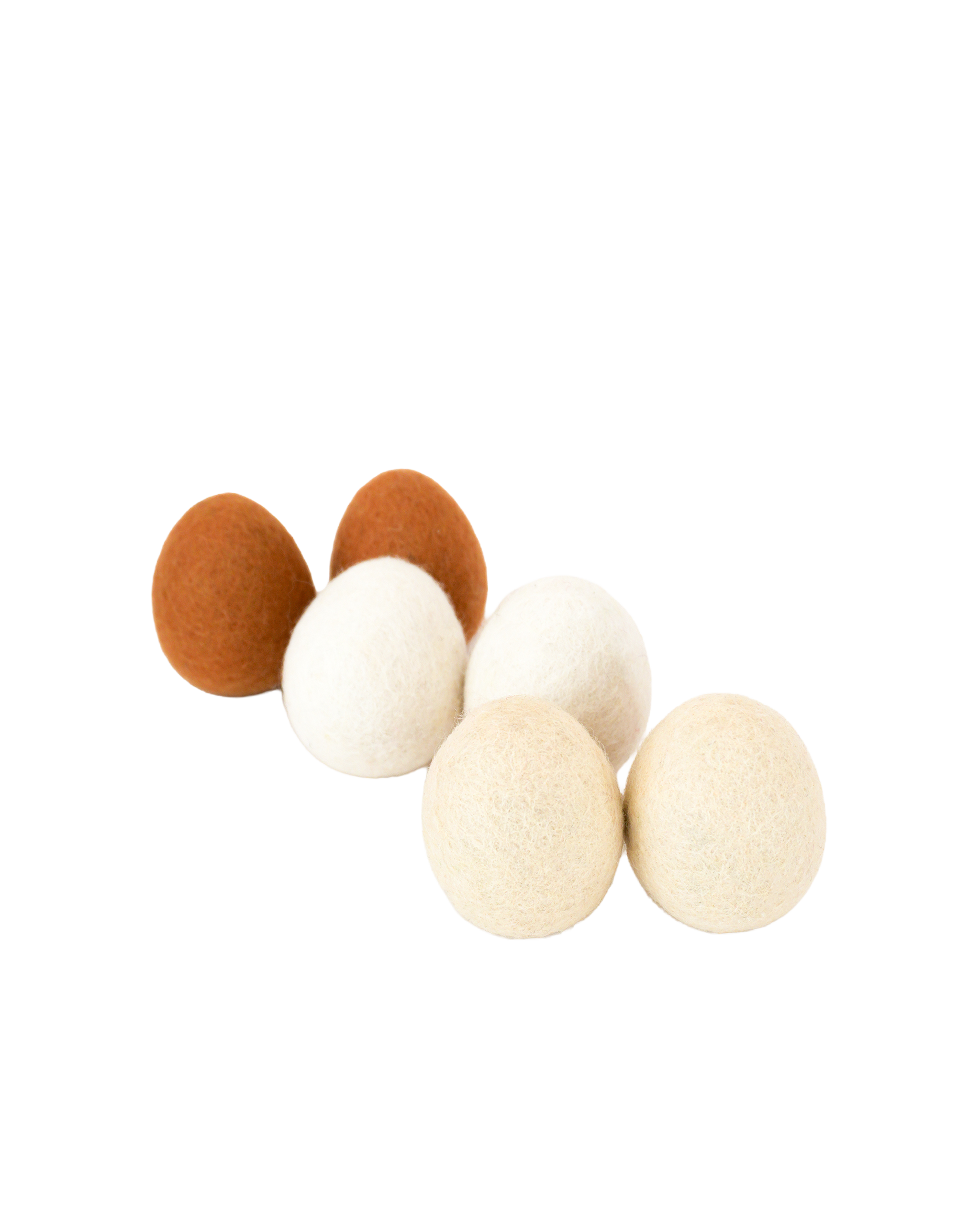
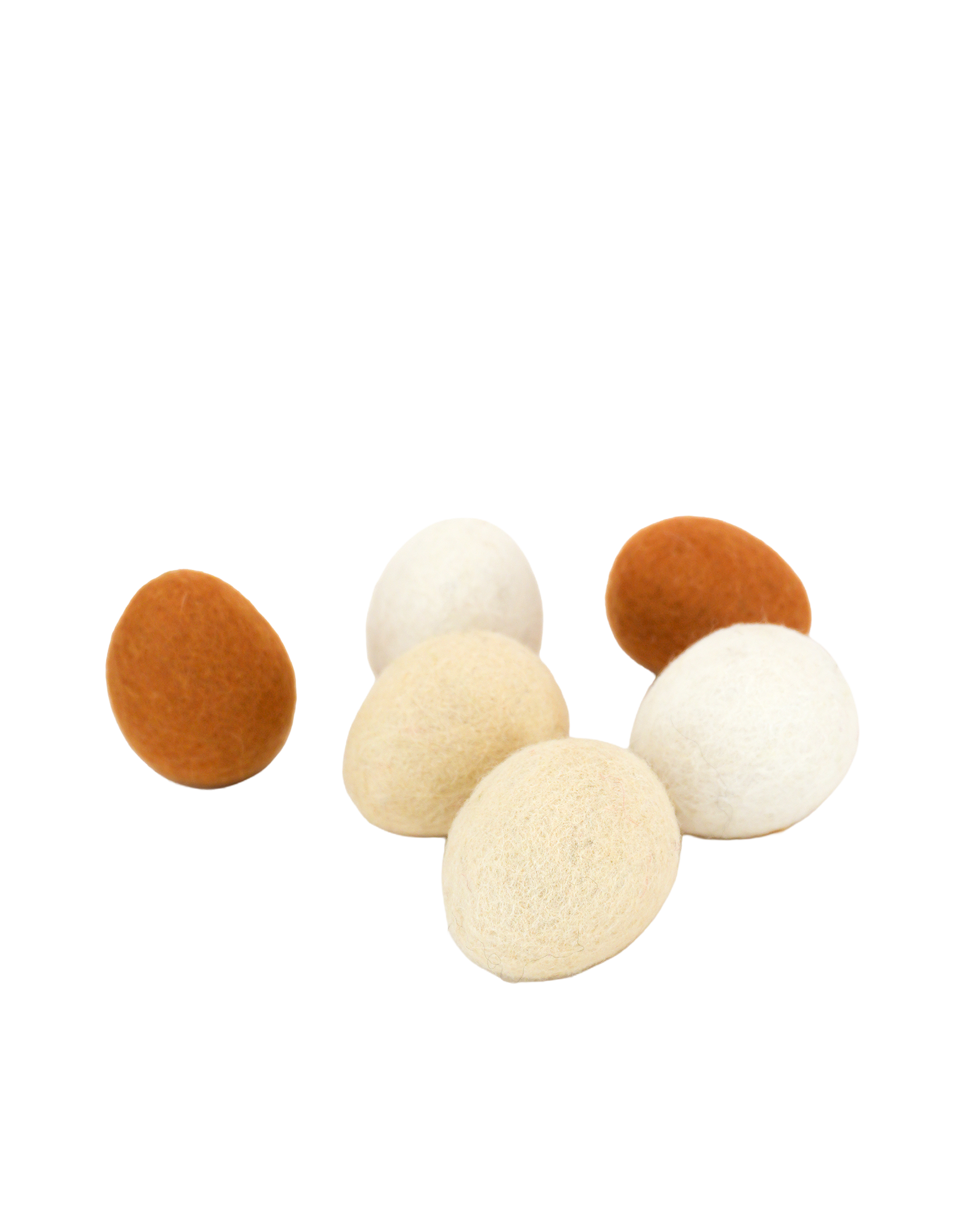
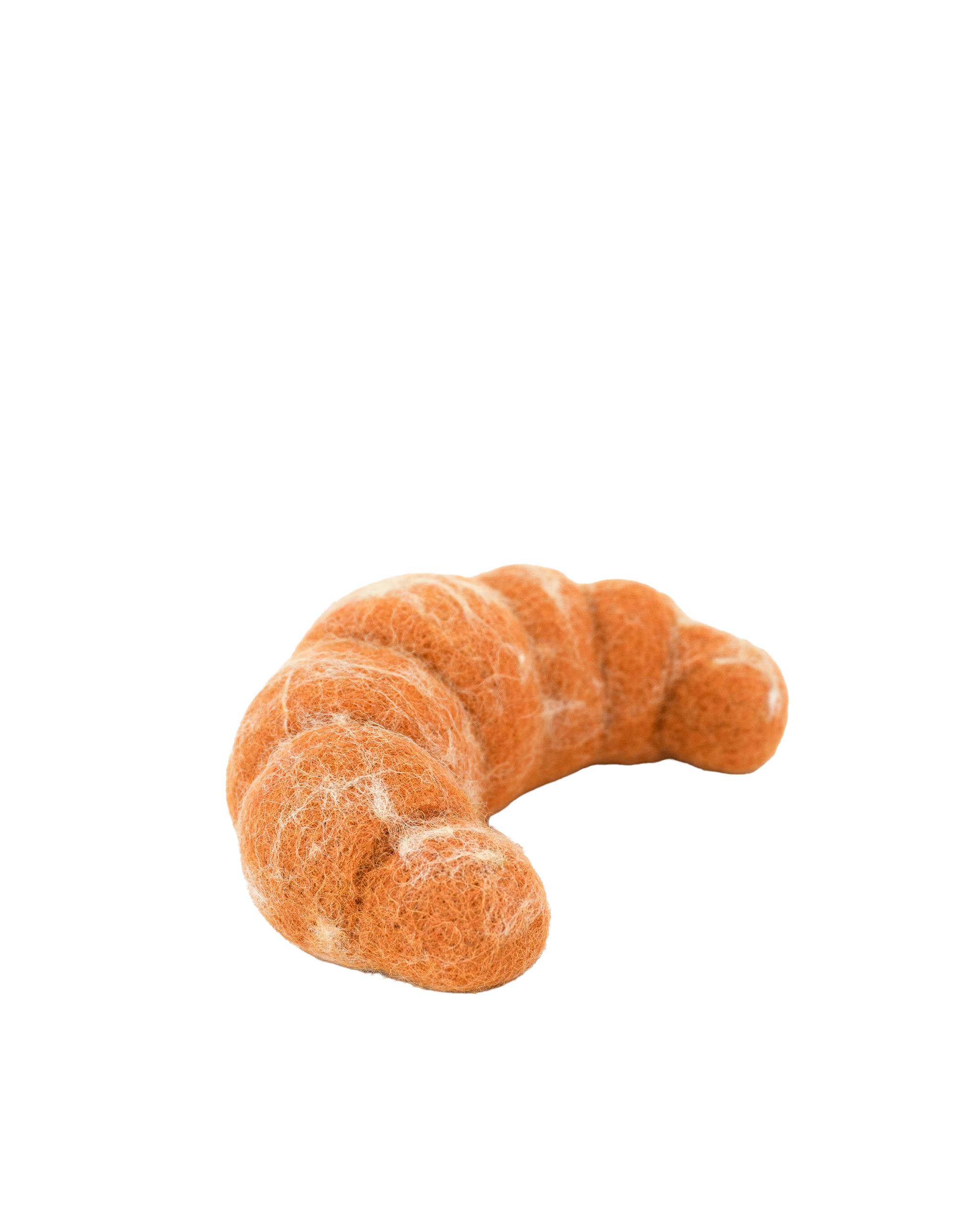
 Felt Pretend Food opens the door to endless imaginative play, from little markets and pretend cooking to storytelling, sharing, and everyday childhood moments.
How Felt Food for Play Kitchen Builds Familiarity
Felt food for play kitchen often becomes part of a child’s daily rhythm without anyone planning it. It just happens quietly, in the background of everyday play.
They make you coffee. Then pasta. Then something completely made up - and they do it again tomorrow.
And the next day.
And the day after.
You’ve probably seen this before - the same little “meal” showing up again and again, the same routine repeated almost exactly the same way. And while it might seem like simple play, it’s actually something much deeper.
Why Repetition Feels Safe for Children? That repetition is not random.
When children engage with felt food for play kitchen, especially realistic toy fruits and vegetables from a pretend market setup, they’re not just playing.
They’re building patterns. They’re creating a sense of “I know this.”
In a world where so many things feel new and unpredictable, this kind of repetition gives them something steady to hold on to.
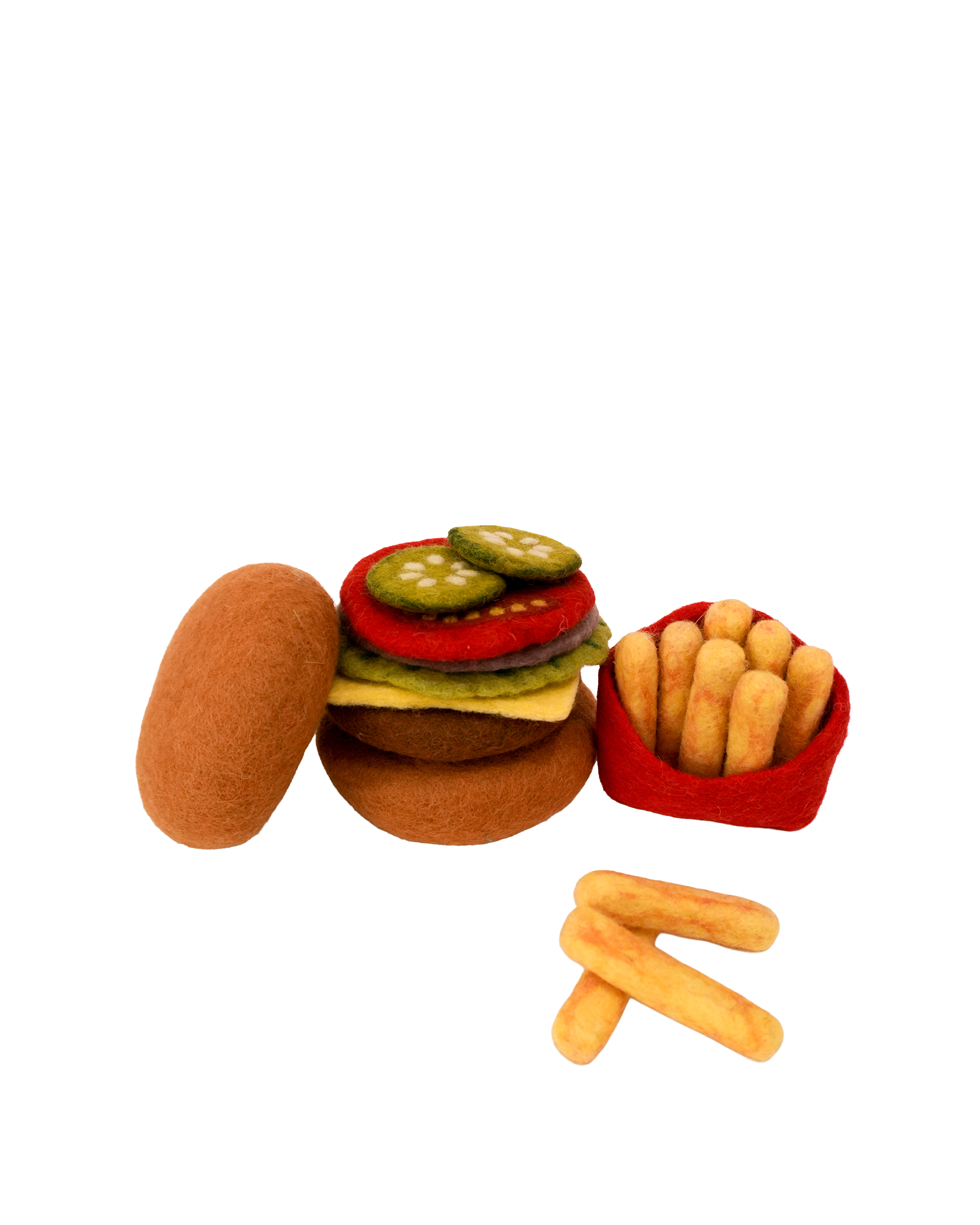
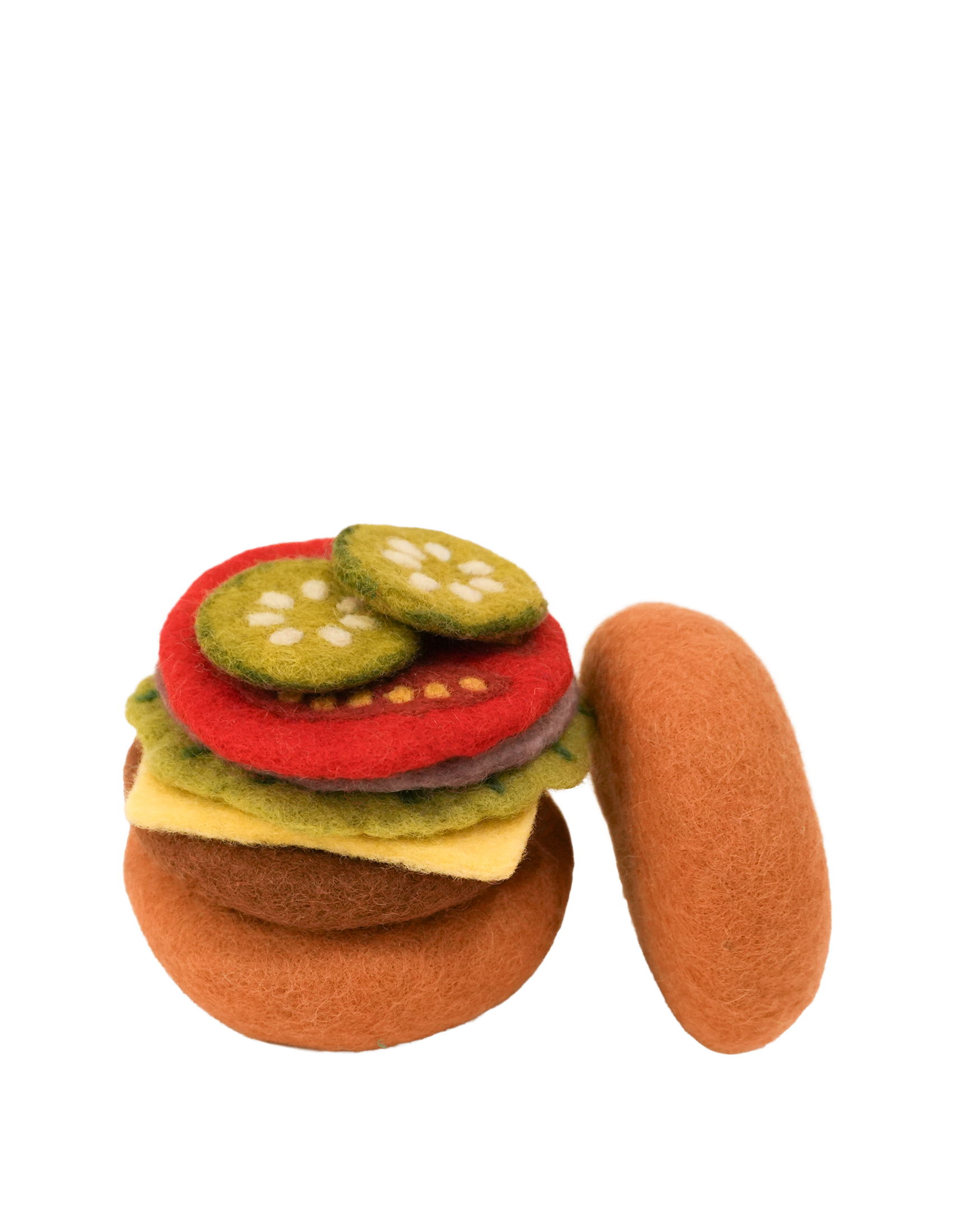
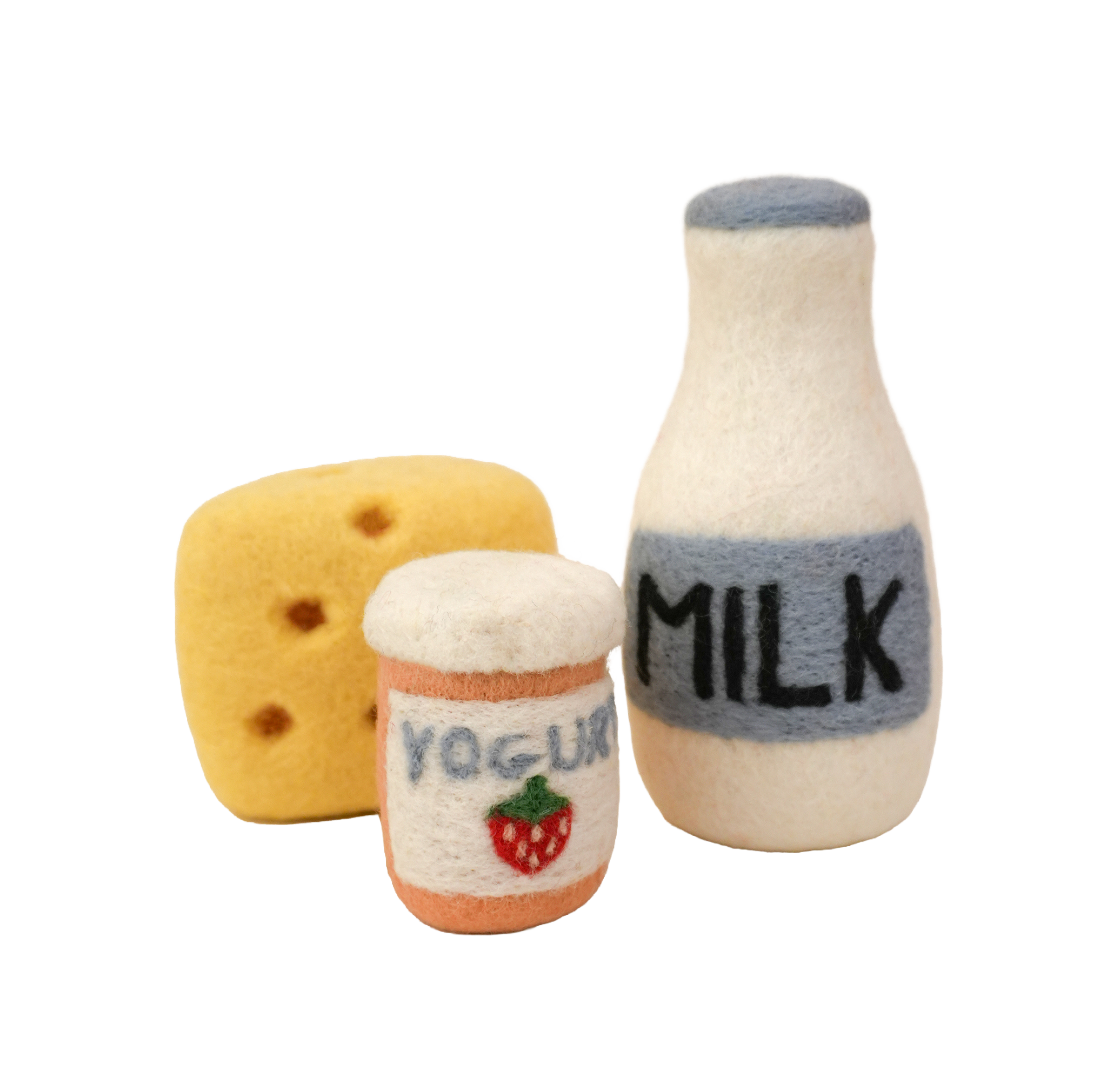
At first, it’s just pretend. Just a tomato, a piece of bread, a slice of cheese.
They might cut it, serve it, mix it - without thinking too much about it.
But slowly, those items stop feeling unfamiliar.
Through repeated play with felt food for play kitchen, children begin to recognize shapes, colors, and even the idea of what that food represents.
It becomes part of their internal world, something they’ve “experienced” many times - even if only through play.
You might notice it in small ways.
Less hesitation.
More curiosity.
Maybe even a moment where they pause and look at the real version of something they’ve played with - and don’t immediately reject it.
Sometimes it’s subtle.
A second glance insteadof turning away.
A small question. A tiny moment of openness that wasn’t there before.
And that’s how the shift begins - not in one big breakthrough, but in small, repeated experiences that slowly start to feel safe.
All of it builds, gently and quietly, through consistent interaction with felt food for play kitchen.
 Felt food for play kitchen activities helps children build familiarity through gentle, pressure-free pretend play.
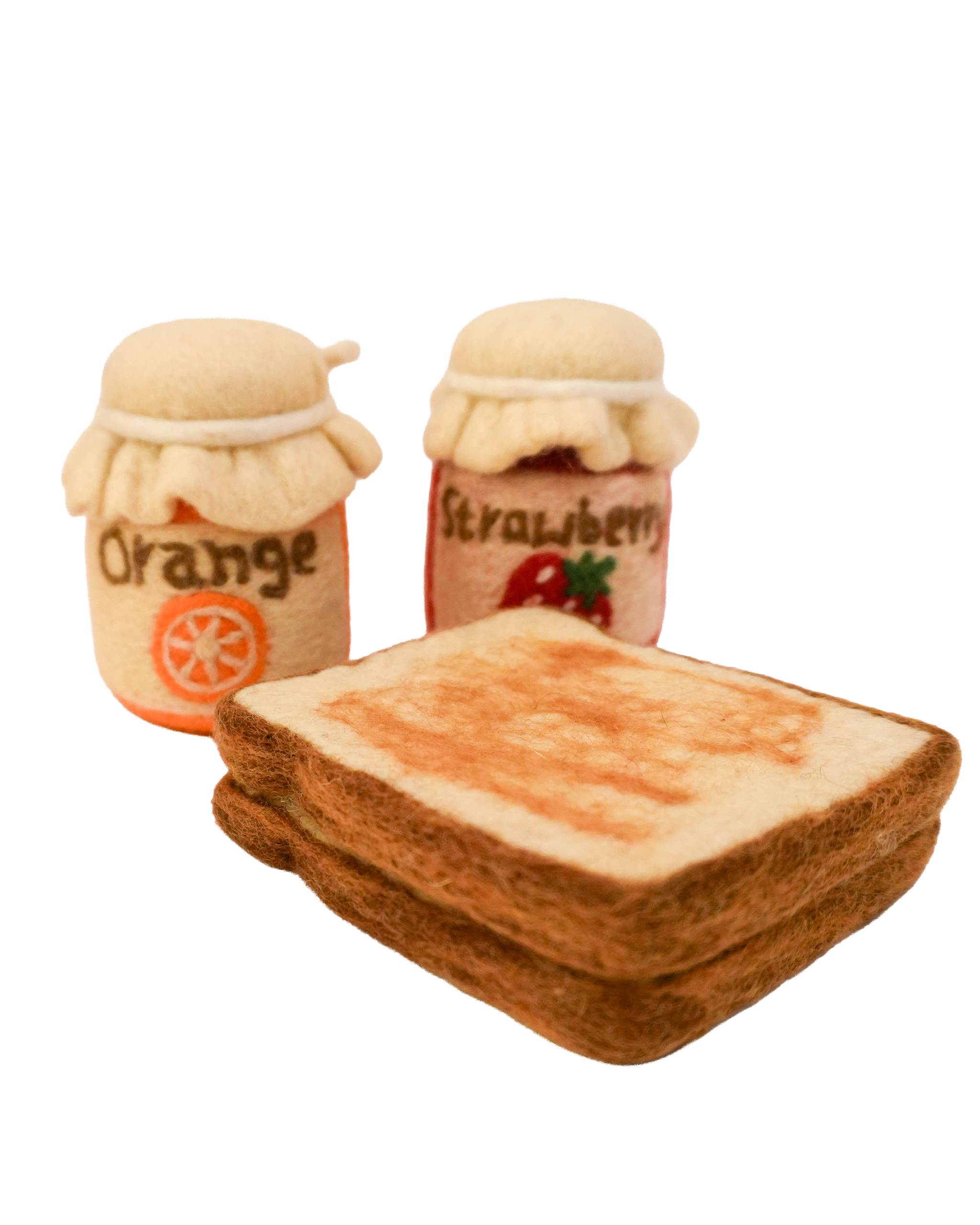
If you’re looking for a gentle way to introduce food without pressure, our Little Grocer Collection of felt food for play kitchen is designed exactly for that kind of play.
How Pretend Felt Food Encourages Curiosity
Pretend felt food shifts the focus from “eating” to “exploring.” And for many picky eaters, that small shift makes a big difference.
You might recognize this - the moment food feels like something they have to deal with, resistance shows up almost immediately. They pull away, they say no, they shut down. But when that same food appears inside play, something softer takes its place.
Curiosity.
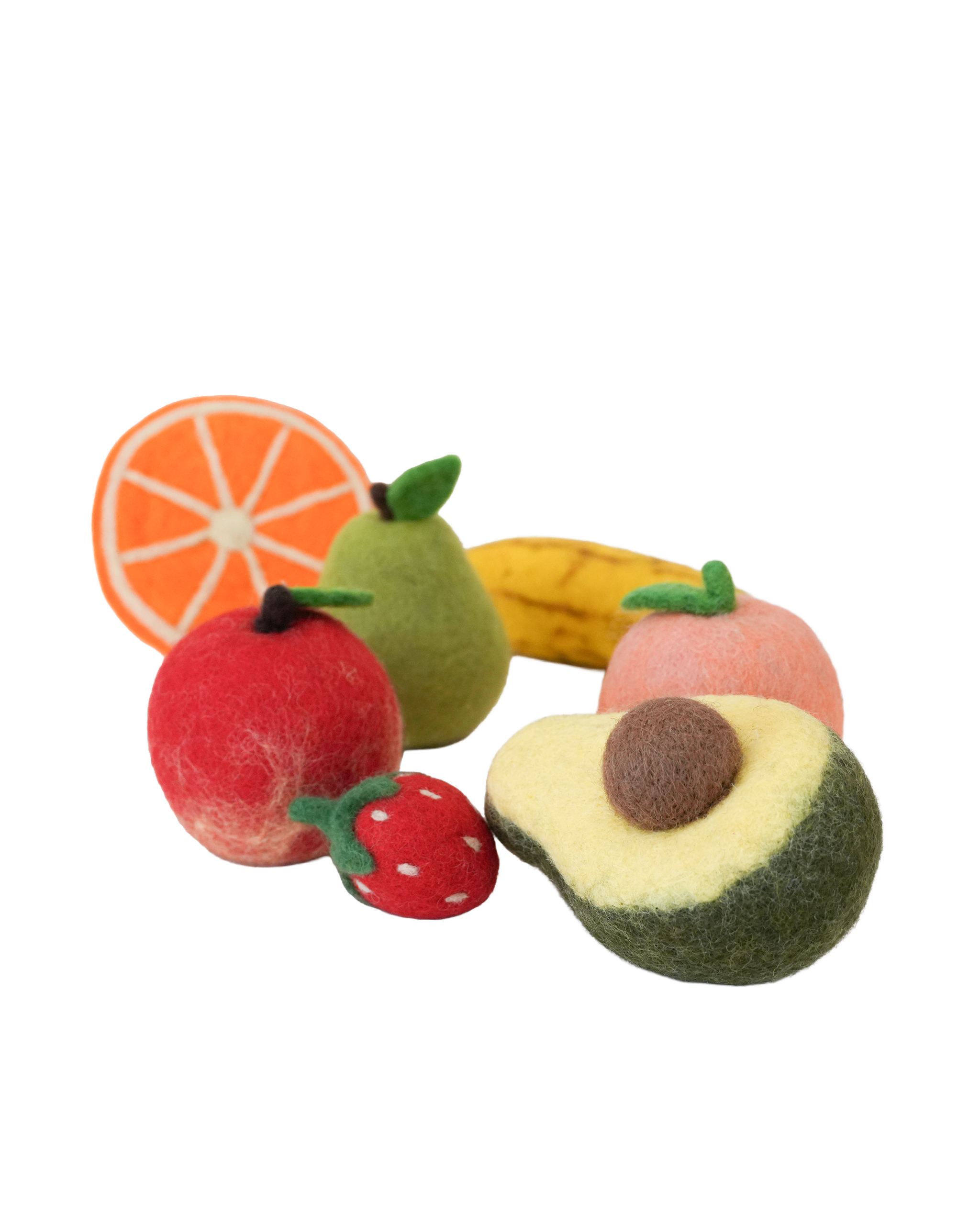
When children interact with pretend felt food, they’re not being asked to taste or respond in any specific way. They’re free to explore. They mix things together. They take things apart. They copy what they’ve seen in real life - or completely make it up as they go. Sometimes children create the strangest little meals like bananas in soup, strawberries on pizza, carrots inside teacups, and somehow it all makes perfect sense to them.
And those small actions matter.
Because through repeated play with pretend felt food, children begin to approach food from a place of interest instead of avoidance. They start asking questions. What is this? What happens if I mix these? Who am I cooking for?
Sometimes it looks like a simple game.
But underneath, something is shifting.
Food stops being something overwhelming.
It becomes something they can interact with, control, and understand in their own way.
You might notice it in subtle ways - a child who once refused to even look at certain foods suddenly includes them in their play. They “serve” them, combine them, and talk about them. And even if they’re not ready to taste, they’re no longer avoiding.
A child may refuse peas at dinner and then spend twenty minutes happily “selling” them at their pretend market the next morning.
And that’s a big step.
Because curiosity, once it starts, tends to grow.
It doesn’t happen all at once. It builds slowly, through small, repeated experiences. And when that curiosity is supported through ongoing play with pretend felt food, it becomes something much more lasting than a single moment at the table.
 Through pretend felt food, simple everyday ingredients become part of a child’s own imaginary world.
How Soft Pretend Play Food Supports Sensory Comfort
Soft pretend play food can make a huge difference for children who are sensitive to textures, and for many picky eaters, this is where the real challenge begins.
Because for many children, it’s not just about taste.
It’s about how food feels.
You’ve probably seen it, the hesitation before touching something new. The quick pullback. The “no” that comes even before they’ve tried. Real food can be unpredictable: too soft, too wet, too rough, too mixed together. And for a sensitive child, that unpredictability can feel overwhelming.
That’s often where resistance starts.
But soft pretend play food offers a completely different kind of experience.
It’s consistent.
It’s gentle.
It feels the same every time.
When children interact with soft pretend play food, they know exactly what to expect. While each felt food item has its own shape and texture, the overall sensory experience stays soft, predictable, and gentle, which can feel much safer for sensitive children than interacting with unpredictable real food.
And that sense of predictability creates something really important - safety.
And when a child feels safe, they stay.
They touch a little longer.
They explore a bit more.
They come back to it again the next day.
That repeated engagement matters more than it seems.
Because through ongoing interaction with soft pretend play food, children begin to build sensory tolerance in a natural, low-pressure way - not by being pushed, but by choosing to stay in the experience.
And this is exactly where the material itself becomes so important.
Unlike plastic or hard materials like wood, felt has a softness that feels closer to fabric than to “objects.” It’s warm to the touch, slightly flexible, and easy to hold.
There are no sharp edges, no cold surfaces, no resistance when a child squeezes or presses.
That difference is subtle - but powerful.
When children play with soft pretend play food made from felt, the experience feels calmer and more inviting. It doesn’t overwhelm their senses, it supports them.
And for children who are already sensitive, that can be the difference between avoiding and engaging.
Over time, these small, repeated moments of comfortable interaction begin to build something deeper.
Confidence.
Familiarity.
And a growing ability to stay present around food.
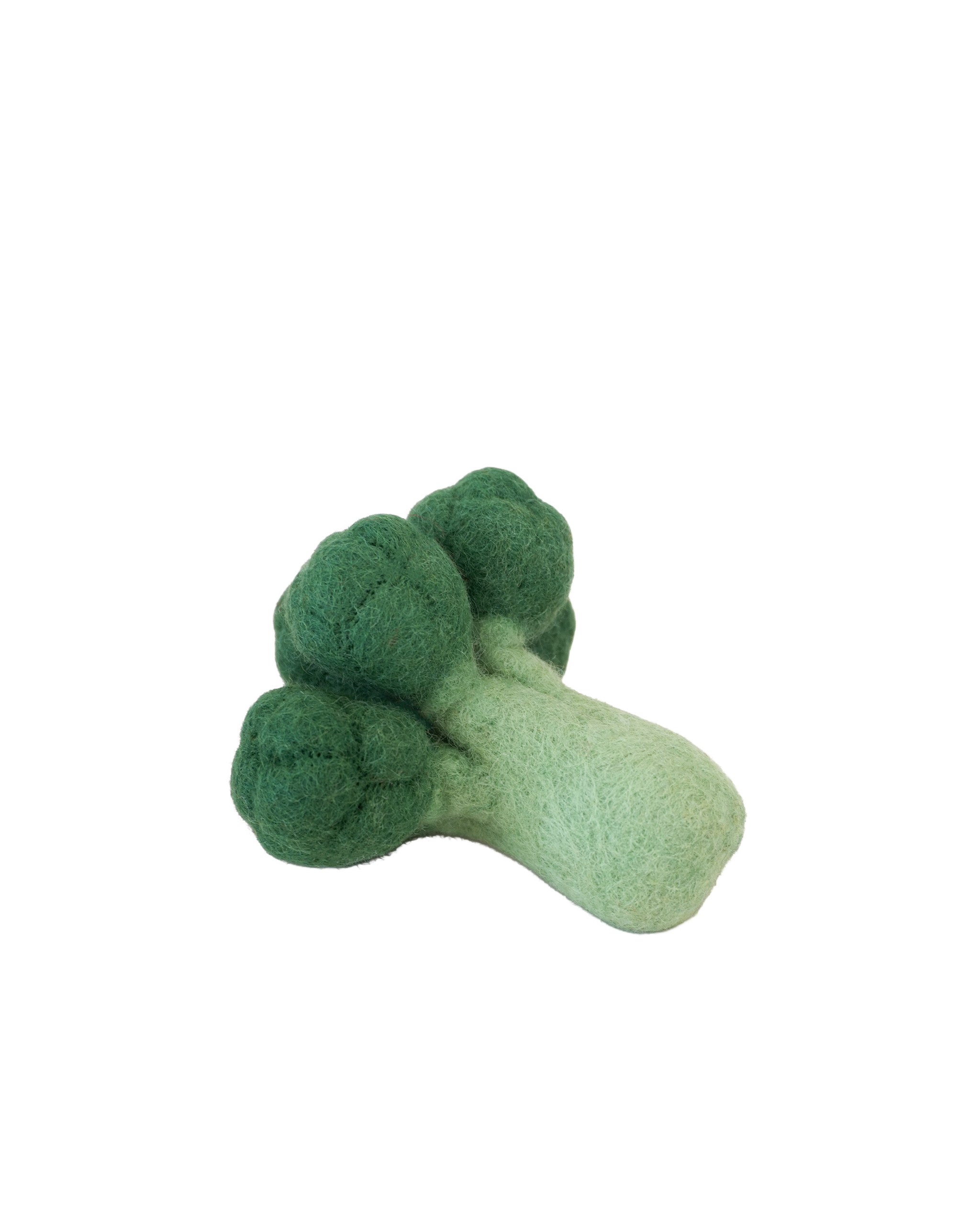
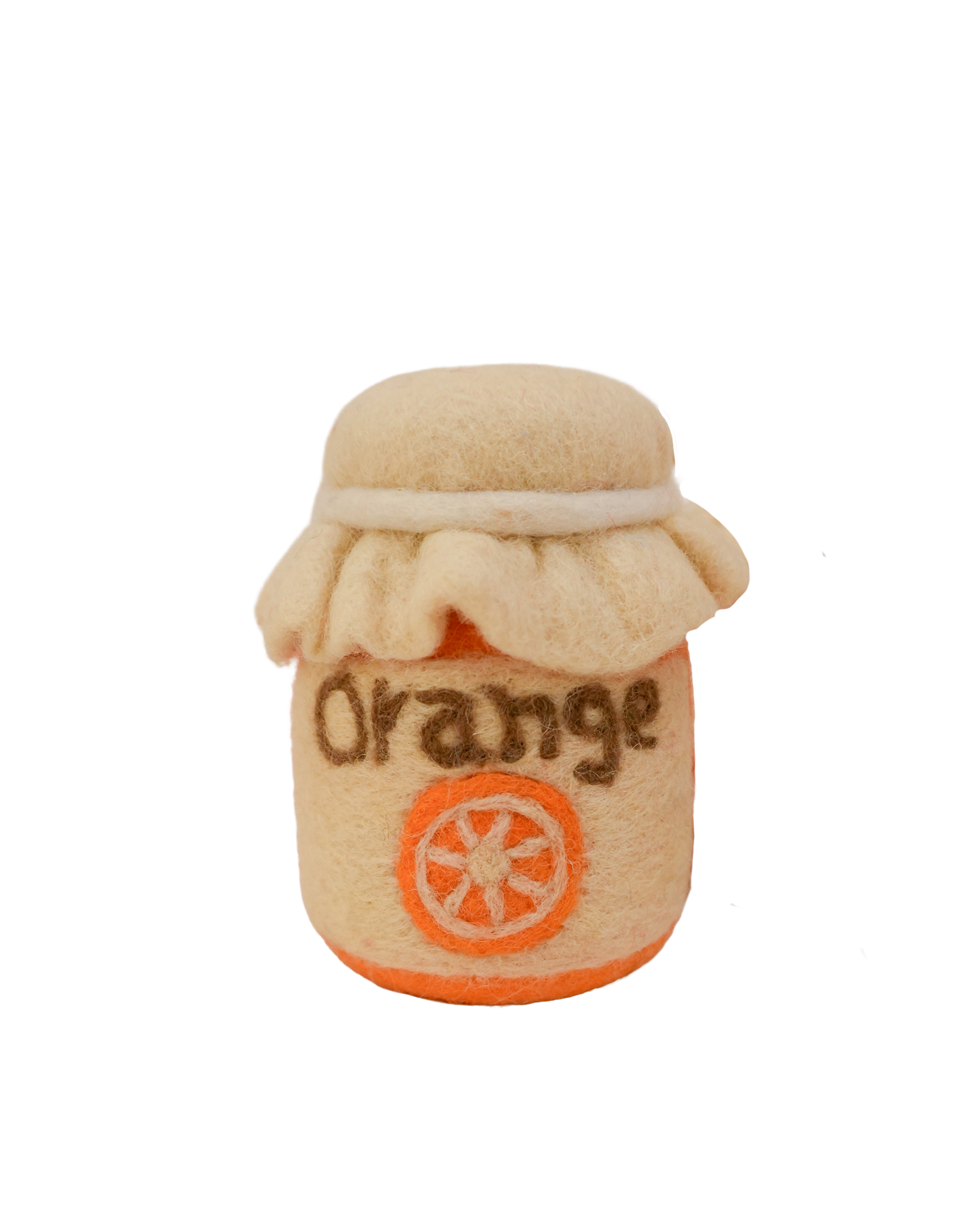
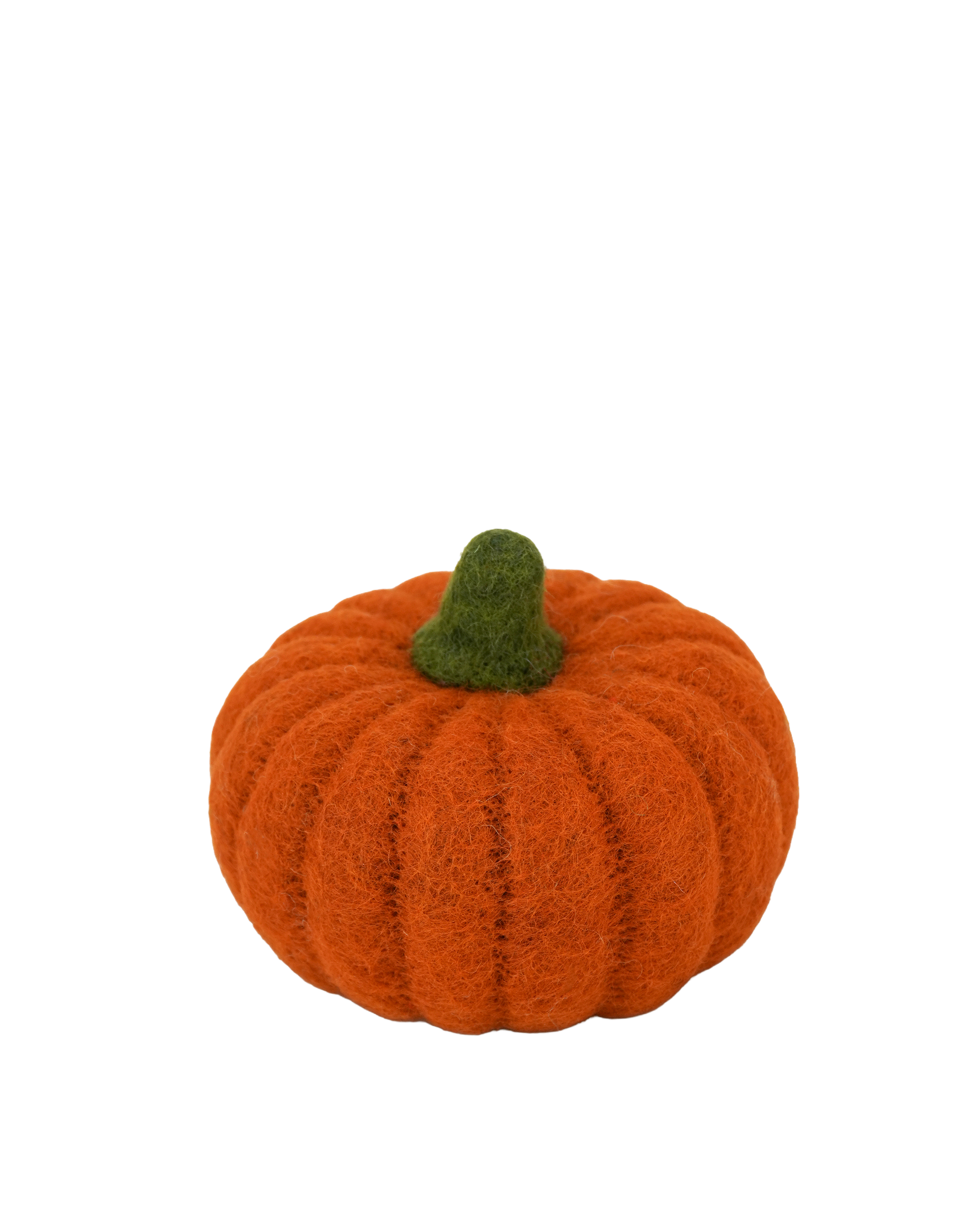
All of it starts gently, through predictable, sensory-friendly experiences with felt pretend food, which is exactly why we create our soft pretend play food toys from natural materials. Our handmade felt fruits and vegetables are designed to feel gentle, familiar, and easy to explore through play. Soft textures, calm colors, and simple shapes help create a sensory-friendly experience that feels safe and inviting for young children.
 Soft pretend play creates calm, pressure-free moments where children can explore textures, familiarity, and sensory comfort at their own pace.
Why Cute Felt Food Works Best for Young Children
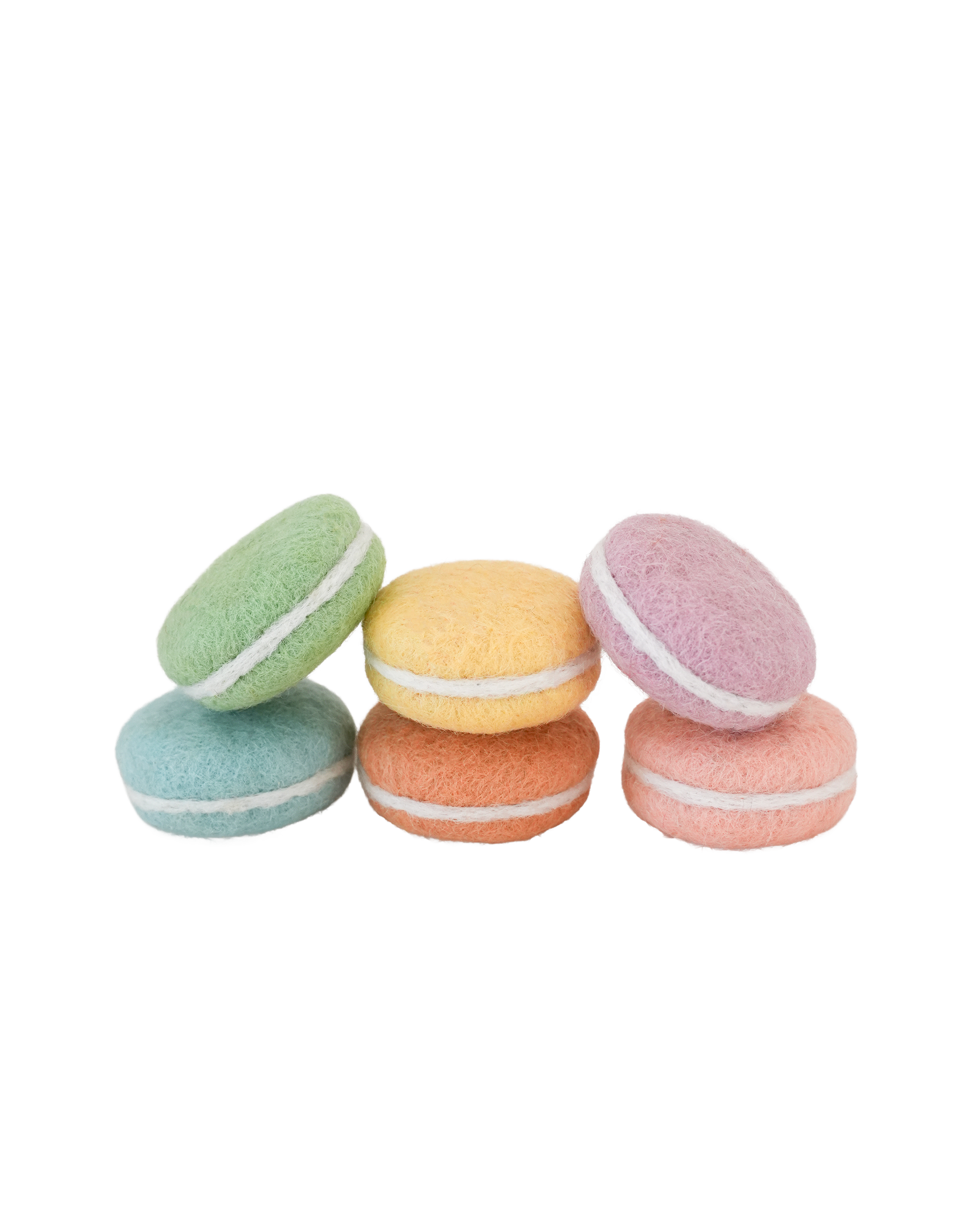
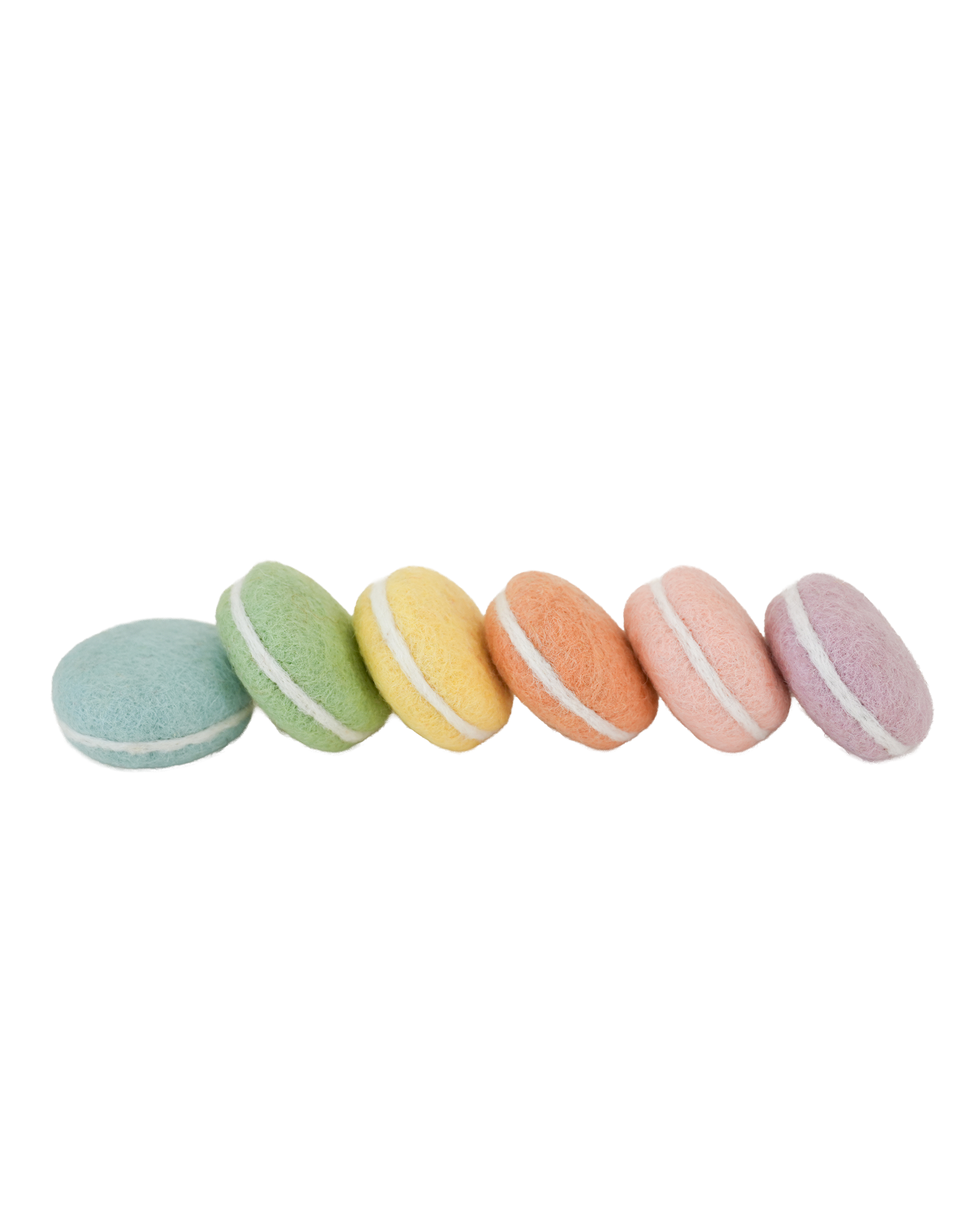
Cute felt food naturally draws children in.
There’s something about soft shapes, calm colors, and simple designs that feels approachable.
It doesn’t look demanding.
It doesn’t feel overwhelming.
It feels like play.
When children engage with cute felt food, they’re not thinking about food as something they need to handle, they’re just playing.
And that emotional shift is important.
Because when the first interaction is positive, everything that follows builds on that.
Over time, those small positive experiences with cute felt food begin to shape how children feel about food more broadly.
How Felt Kitchen Food Connects Play and Real Meals
Felt kitchen food creates a quiet bridge between play and real life.
Children naturally imitate what they see - cooking, serving, sharing.
And through that imitation, they begin to understand routines.
When kids spend time with felt kitchen food, they recreate familiar moments in a way that feels safe. They take something from real life and bring it into their own world.
And that makes a difference.
Because when real mealtime comes, it’s no longer completely unfamiliar.
They’ve already “been there”, through play.
And that connection, built slowly through felt kitchen food, helps reduce resistance in a way that feels natural.
 Sometimes a child feels more comfortable around new foods simply because they’ve already held, explored, and played with them before.
Why a Felt Food Set Is Ideal for Encouraging Independent Play
A felt food set gives children something incredibly valuable - independence. And for many kids, especially those who feel pressure around food, that independence changes everything.
There are no instructions, no right or wrong way to use it. No one telling them what to do or how to play. They just start, in their own way, in their own time.
You’ve probably seen moments like this.
A child sitting quietly, completely absorbed, “cooking” something that makes perfect sense to them, even if it doesn’t to you.
They’re not asking for help.
They’re not looking for approval.
They’re simply playing.
And when children engage independently with a felt food set, something shifts.
They begin to make their own choices.
What to cook.
How to serve.
What comes next.
That sense of control is powerful.
Because for many picky eaters, food in real life often feels like something that happens to them. Decisions are made for them.
Expectations are placed on them.
And that’s where resistance can grow.
But play creates a different dynamic.
Through independent play with a felt food set, children become the ones in charge.
They decide what happens.
They repeat what feels good.
They change things when they want to.
Sometimes children repeat the exact same little routine for days, making the same pretend breakfast, serving the same fruit, arranging everything in the same careful order.
And within that freedom, confidence starts to build.
It doesn’t happen all at once.
It grows through small, quiet moments of play.
Moments where no one is watching, correcting, or guiding.
This kind of independent play is powerful because it removes pressure - not just from food, but from the entire experience around it.
And when that pressure disappears, something else has space to grow.
Curiosity.
Familiarity.
A sense of comfort.
You might notice it in subtle ways like longer play, deeper focus, more willingness to include different “foods” in their pretend world.
And over time, these small shifts begin to connect back to real life.
Because when a child has explored something freely through a felt pretend food set, it no longer feels completely unfamiliar outside of play.
They’ve already interacted with it.
Already understood it, in their own way.
And that’s where real change begins.
Not through pressure.
Not through forcing.
But through independence, built slowly and naturally with a felt food set.
 Children often process the world through repetition, and felt pretend food creates space for those small familiar moments to happen naturally through play.
Felt pretend food isn’t about getting kids to eat.
It’s about changing how they experience food.
And when that experience becomes calmer, softer, and more familiar, everything else can follow.
For picky eaters, that shift doesn’t happen in one meal.
It happens slowly.
Through repetition.
Through play.
Through small, pressure-free moments.
And often, it begins with something as simple like a small moment of play.
You don’t need to change mealtimes overnight.
Sometimes, it starts with something simple, like a small moment of play with a felt pretend food set.
A few thoughtfully made felt pretend food pieces can turn everyday play into little stories of cooking, sharing, shopping, and imagination.