
Pretend Play for 2 Year Olds and How It Develops from Ages 2 to 8
Pretend play for 2 year olds is often the beginning of a journey that can continue throughout childhood.
It usually starts with simple, everyday moments.
A toddler might feed a doll, put it to bed, or carry it around the house.
A few years later, those same toys can become part of elaborate stories and imaginary worlds. That ability to grow and change over time is what makes pretend play so unique.
Unlike many toys that are designed for a specific age, pretend play toys often change alongside the child.
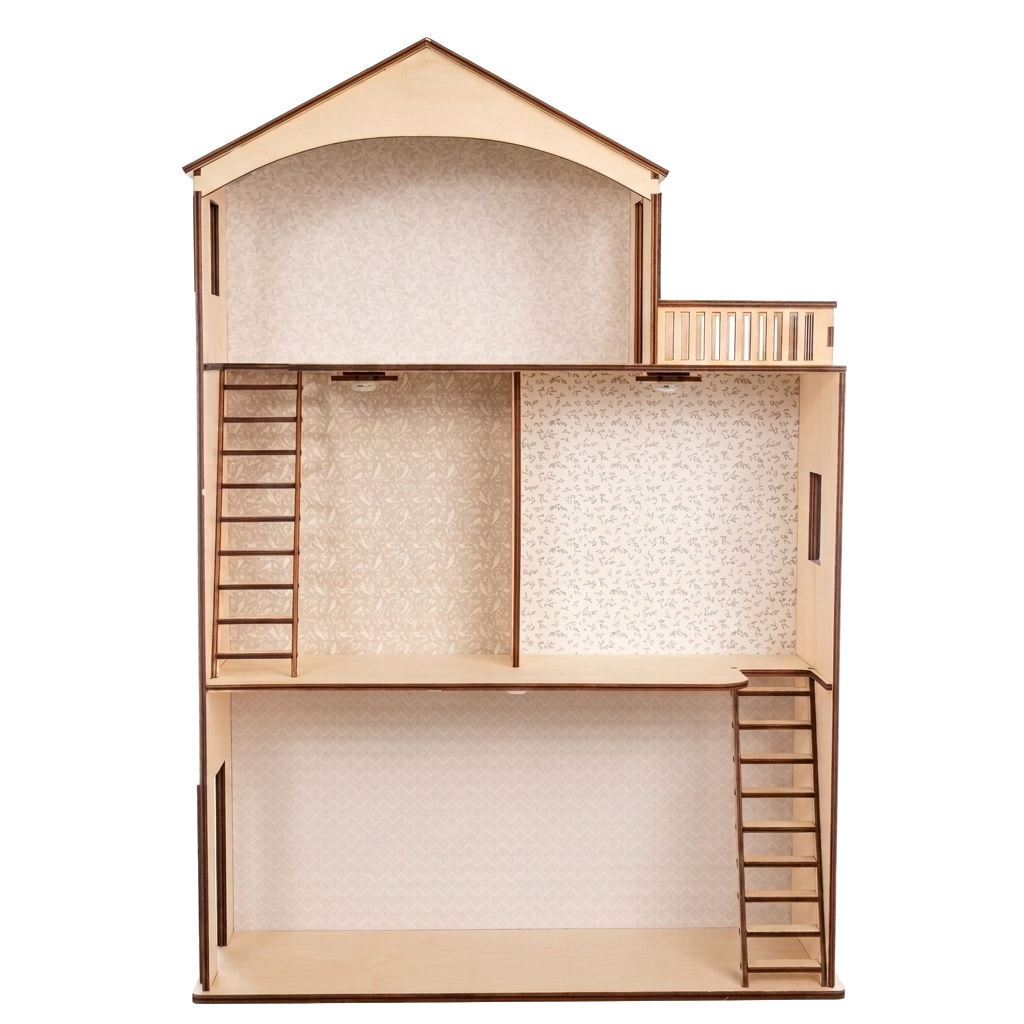
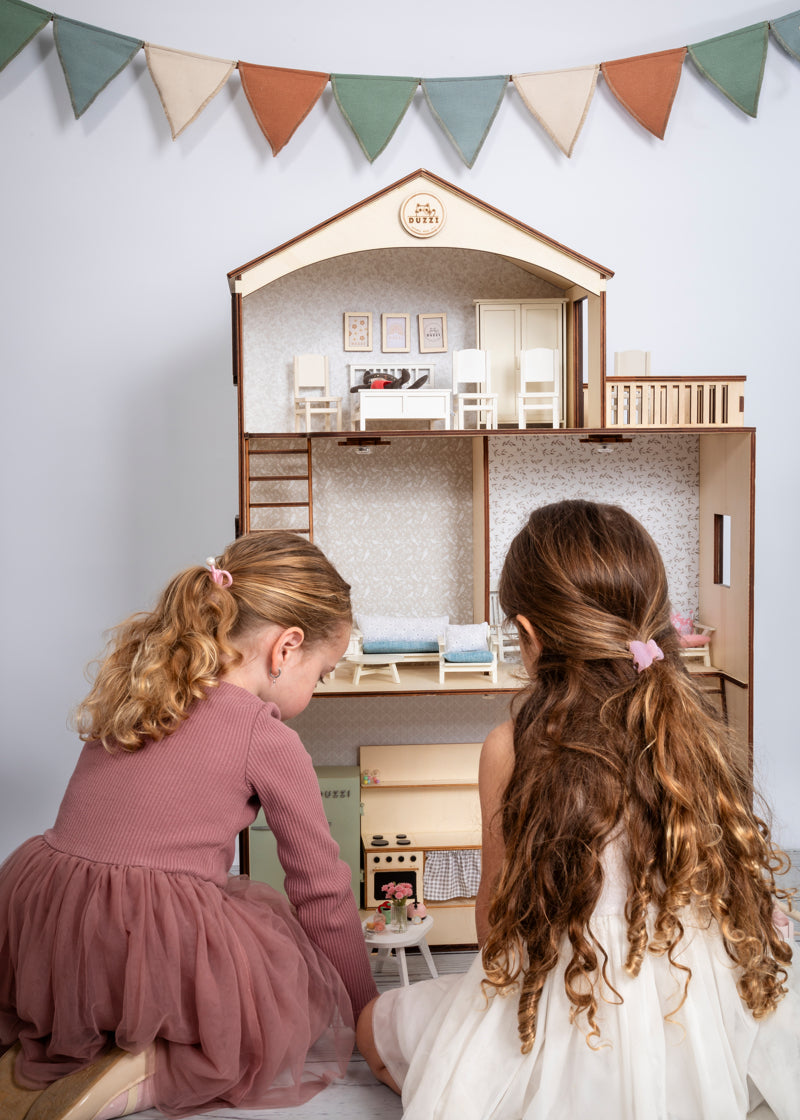
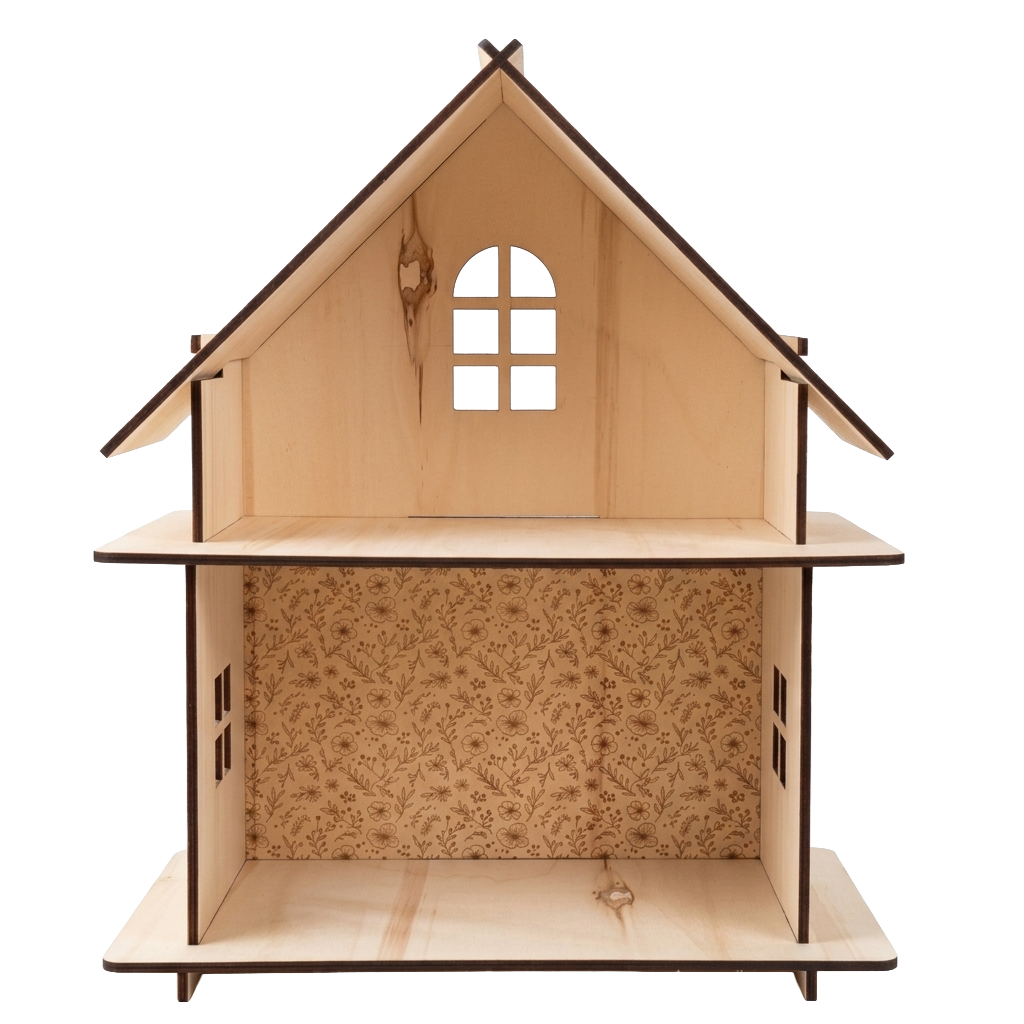
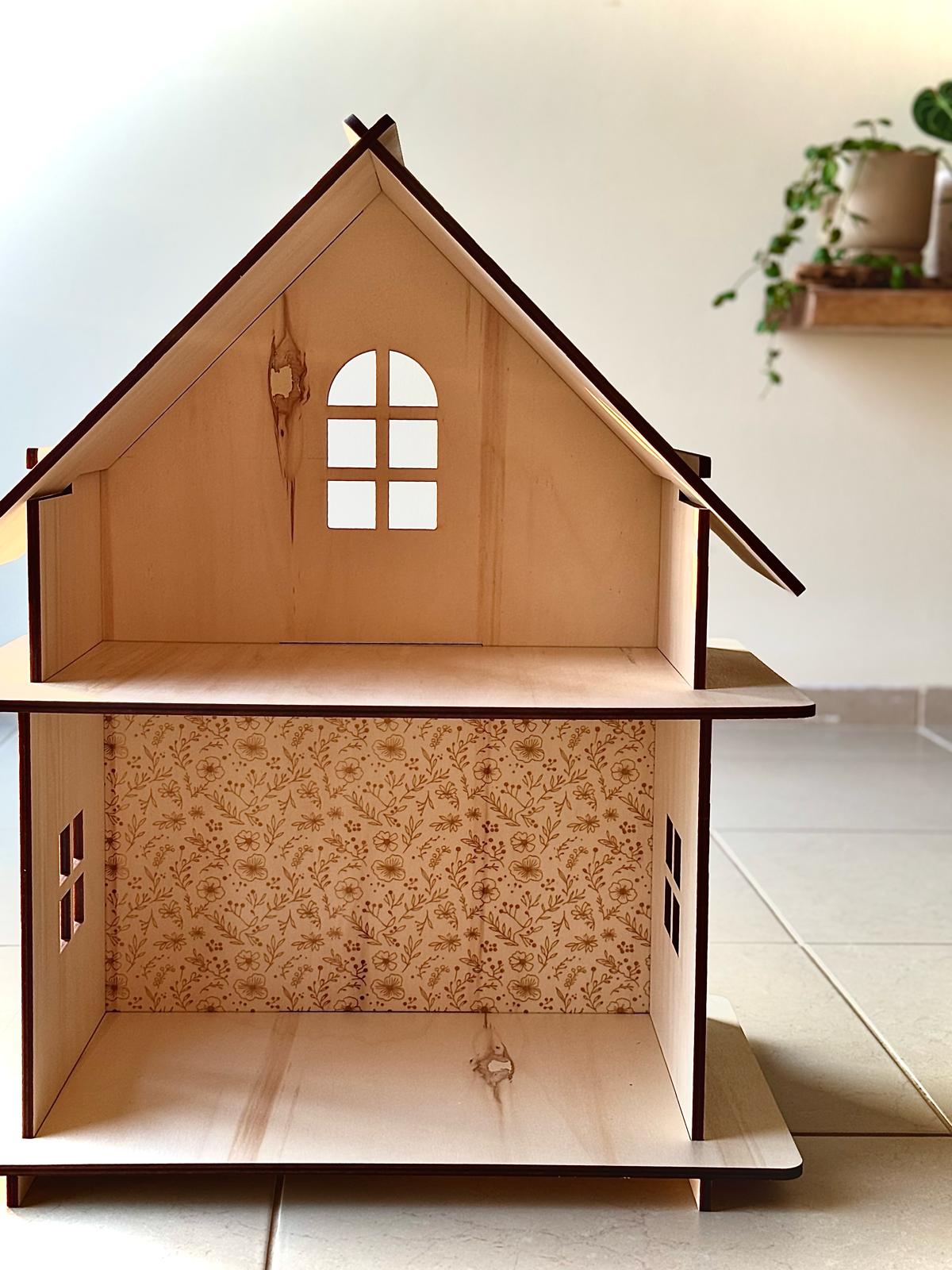
The same dollhouse can support a toddler learning about daily routines, a preschooler creating stories, and an older child building entire imaginary worlds.
The same doll that is lovingly carried from room to room at age two may later become part of complex adventures, friendships, and family stories.
This ability to grow with children is one of the reasons pretend play remains such an important part of childhood.
Pretend play for 2 year olds may begin with simple routines, but it often lays the foundation for years of imaginative play.
While some toys are quickly outgrown, dolls, dollhouses, and other open-ended toys often stay meaningful because they continue to offer new ways to play at different stages of development.
This is one of the reasons many parents choose open-ended toys from an early age, laying the foundation for pretend play for 2 year olds.
This is one of the reasons many parents choose open-ended toys from an early age. Explore our wooden dollhouses designed to inspire years of imaginative play.

How Pretend Play for 2 Year Olds Usually Begins
Pretend play for 2 year olds often begins in small and meaningful ways.
At this age, children are just starting to understand that one object can represent something else.
A doll becomes a baby.
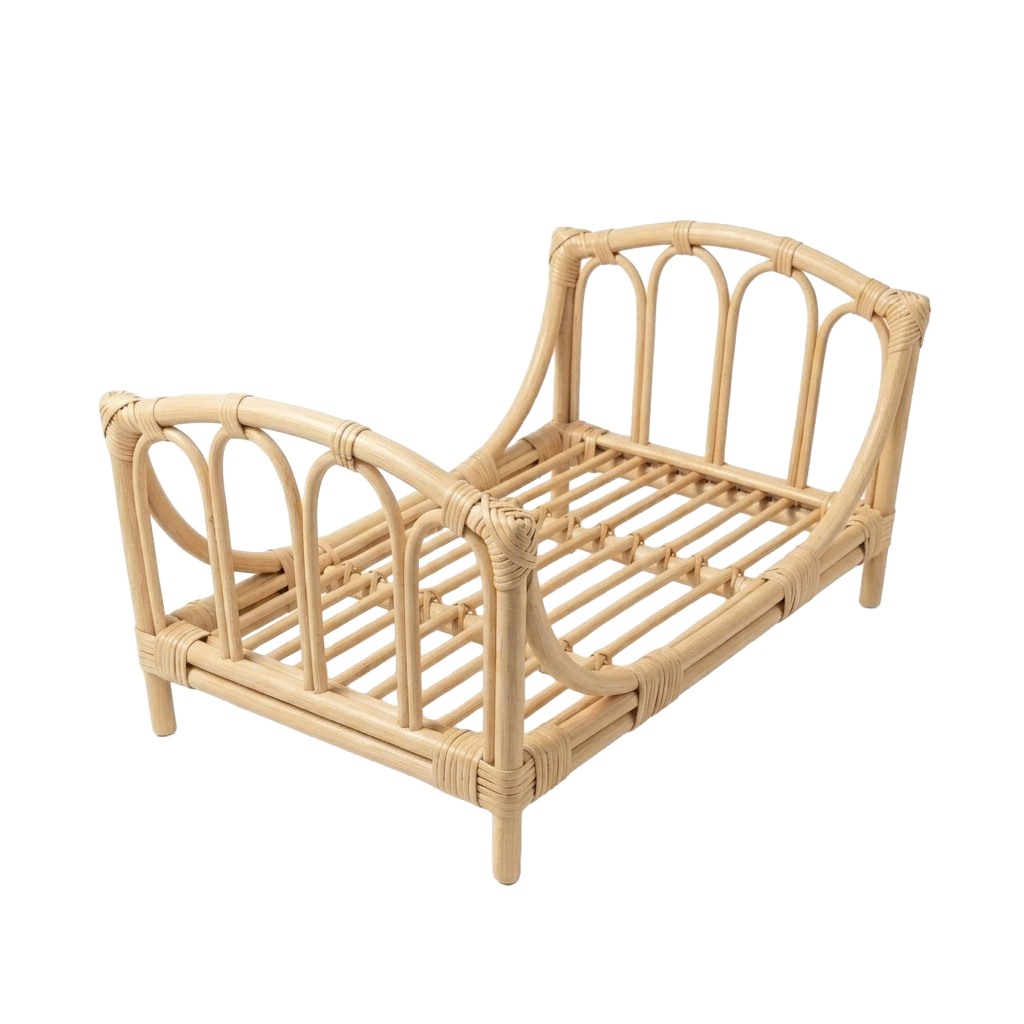
A small bed becomes a place to sleep.
Even a simple action, such as covering a doll with a blanket, can feel like a complete story.
Most pretend play for 2 year olds is inspired by everyday life.
Toddlers naturally imitate the people around them, repeating familiar routines such as feeding, rocking, carrying, and putting things to sleep.
Even simple felt toys can support these early moments of pretend play by giving toddlers familiar objects to care for, feed, and include in their everyday stories.
While these activities may appear simple, they play an important role in helping children understand the world around them.
Repetition is a valuable part of the process.
Adults may see the same game being played over and over again, but toddlers are often learning something new each time.
Feeding a doll, putting it to bed, or comforting it when it cries helps children make sense of experiences they encounter in their own daily lives.
These familiar situations feel safe and predictable, which is one of the reasons children enjoy returning to them again and again.
As children become more comfortable with these routines, pretend play for 2 year olds gradually becomes a way of exploring relationships, care, and everyday experiences.
A child who has been fed, comforted, and cared for can begin acting out those same experiences through play, creating a sense of familiarity and understanding.
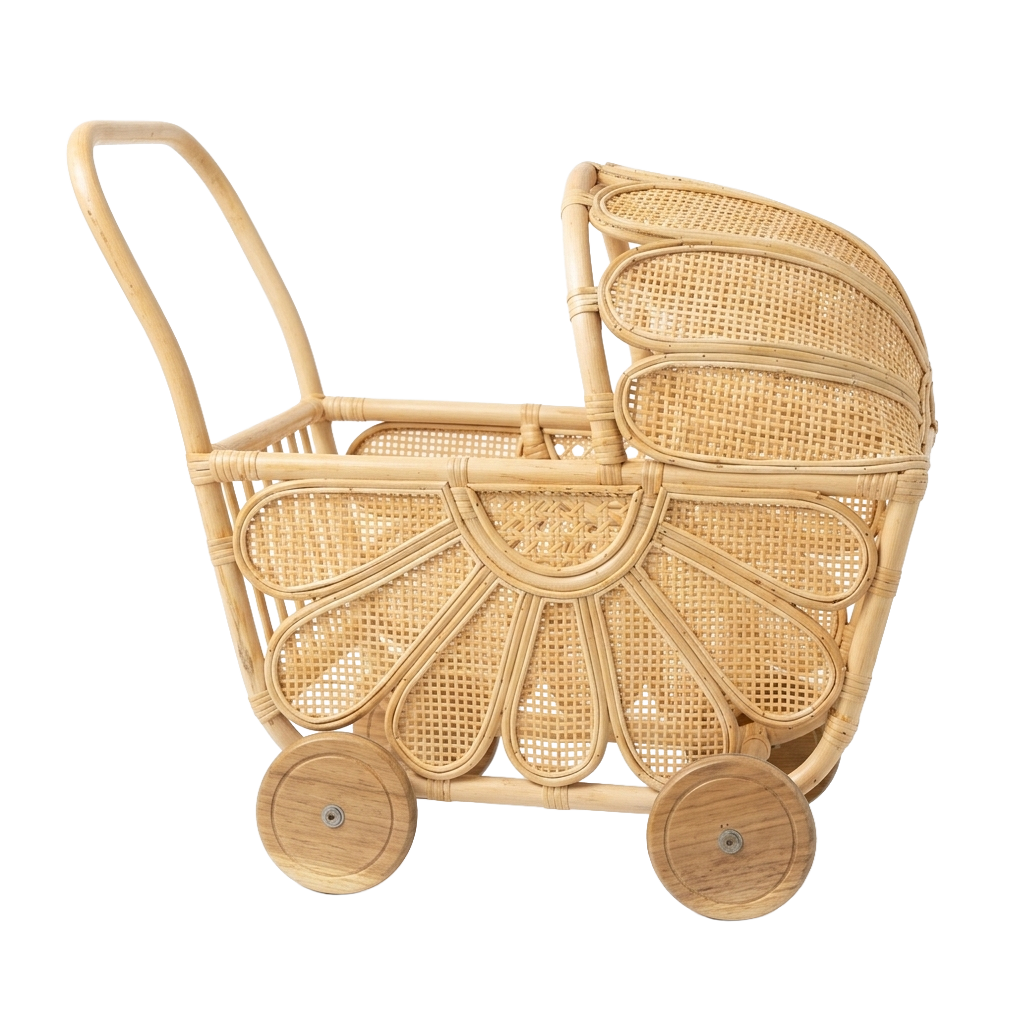
At this stage, children often benefit from simple toys that feel familiar and easy to understand. A soft doll, a doll bed, or a small doll pram can support the routines toddlers naturally enjoy repeating.
Toys with gentle colours, natural materials, and simple designs make it easier for children to focus on the play itself rather than on flashing lights, loud sounds, or overly stimulating details.
Because the toys do not dictate the story, children are free to use them in ways that feel meaningful to their own experiences.
Many two-year-olds become especially attached to familiar pretend play toys.
A doll may be carried from room to room.
a doll pram may become part of daily routines, and a small dollhouse may be explored slowly, one room at a time.
At this stage, play stays close to real life and familiar experiences, which is why many parents begin introducing toys designed to support pretend play for 2 year olds.

How Pretend Play for 4 Year Olds Turns into Small Stories
Pretend play for 4 year olds often becomes more connected and imaginative.
Instead of single actions, children begin linking events into small stories.
A doll wakes up, eats, rests, and goes to sleep. Someone visits.
Someone leaves. Something unexpected happens.
This is often the age when dollhouses become especially engaging.
A house creates a natural setting for storytelling.
Children move characters from one place to another and begin imagining what happens next; rather than focusing on a single action, they start connecting events and building stories that unfold over time.
Pretend play for 4 year olds often includes quiet conversations as children describe what their characters are doing.
The toys become part of a growing inner world where imagination and reality meet. Children may begin giving characters names, creating simple relationships between them, and imagining how they feel in different situations.
While pretend play for 2 year olds is often centred around familiar routines and everyday experiences, pretend play for 4 year olds begins to move beyond imitation. Children start adding new ideas, unexpected events, and imaginative twists to their stories, transforming simple play into something more creative and personal.
As pretend play for 4 year olds becomes more story-driven, children also begin introducing simple challenges and problems for their characters to solve.
A doll may lose a favourite toy, a friend might come to visit unexpectedly, or a family member may need help. A doll could become sick and need care, while another character takes on the role of a doctor.
These small storylines help children move beyond simple routines and start thinking about what might happen next.
Instead of only describing daily activities, they begin creating events, reactions, and solutions, making their pretend play feel more like a real story with a sequence of connected events.
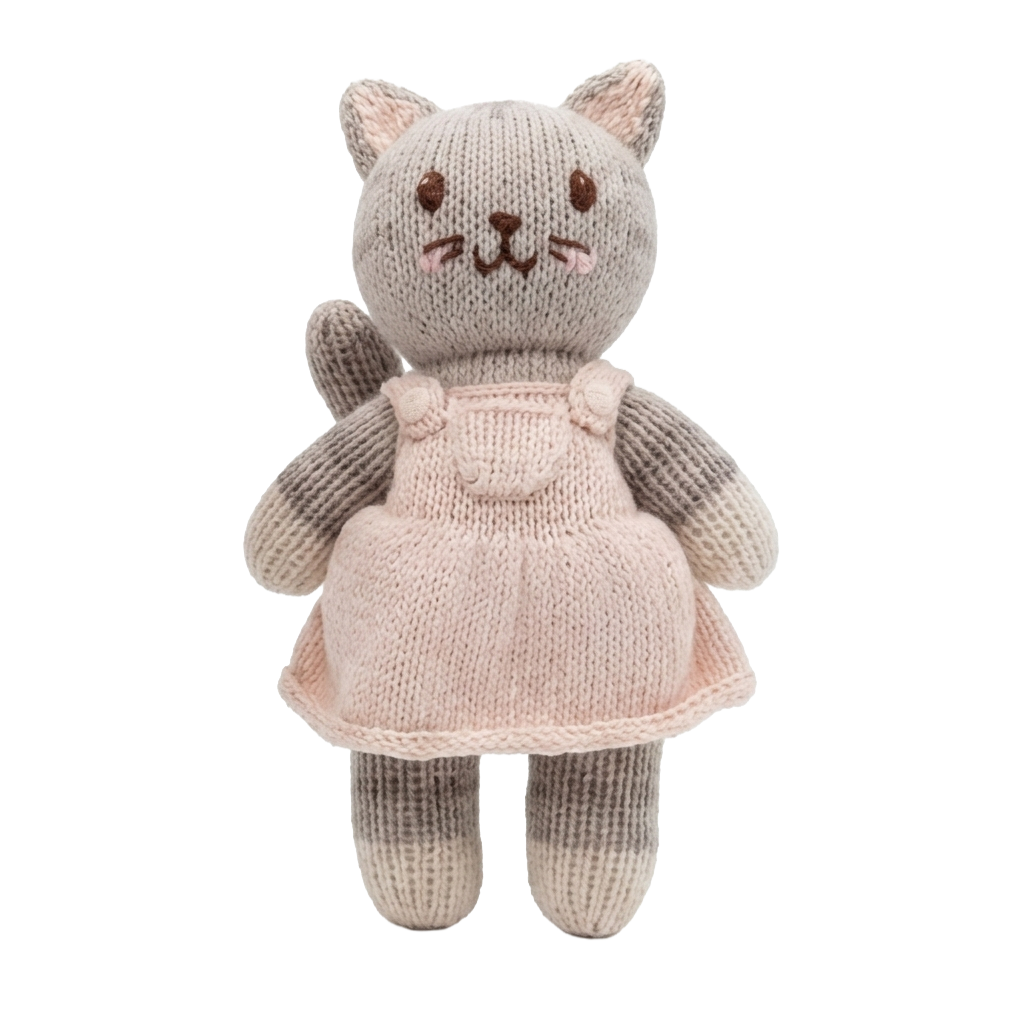
Small dolls often become especially meaningful at this stage because they are easy to carry between different play settings and can quickly take on different roles within a story. Many children enjoy creating personalities and adventures for the same characters again and again.
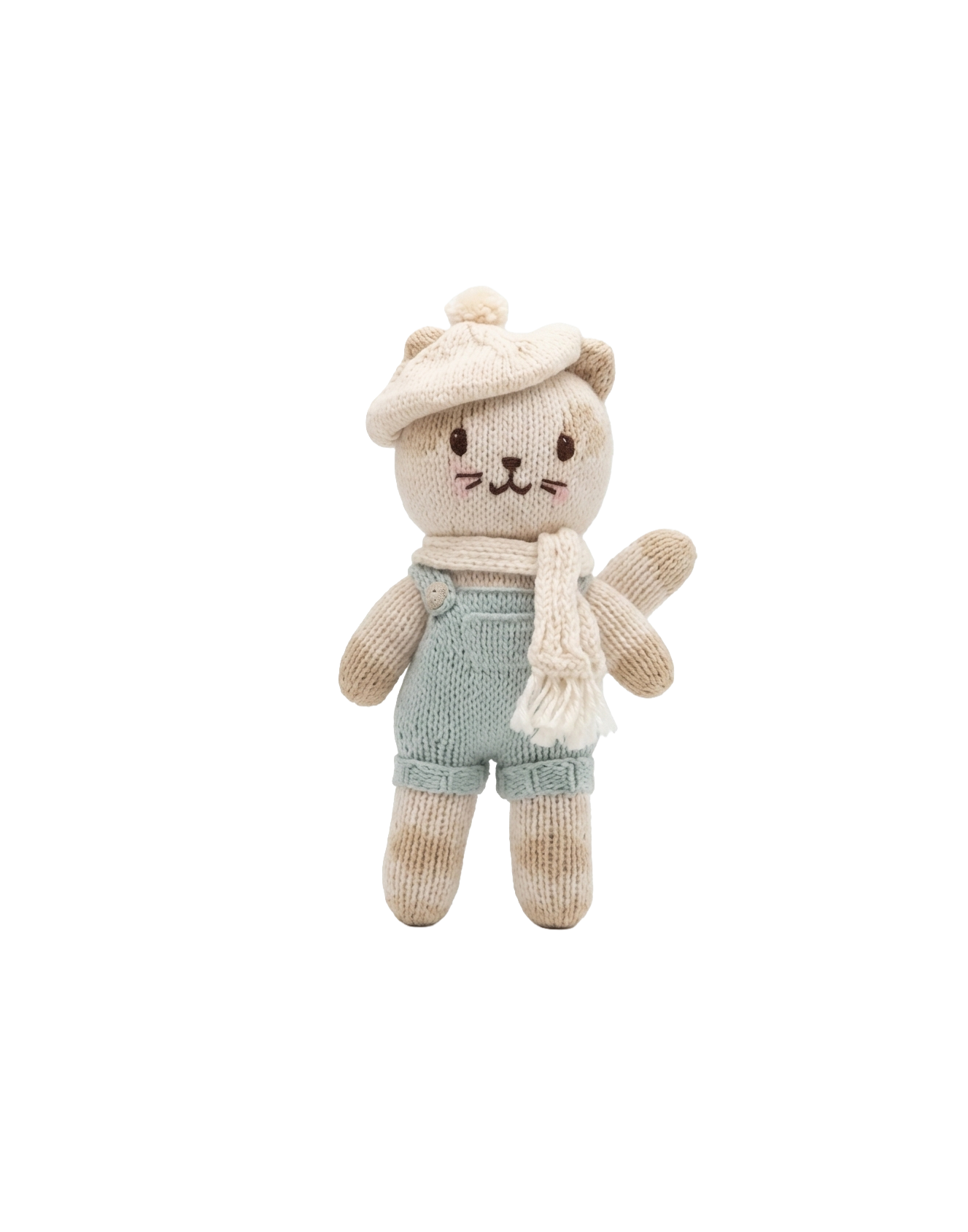
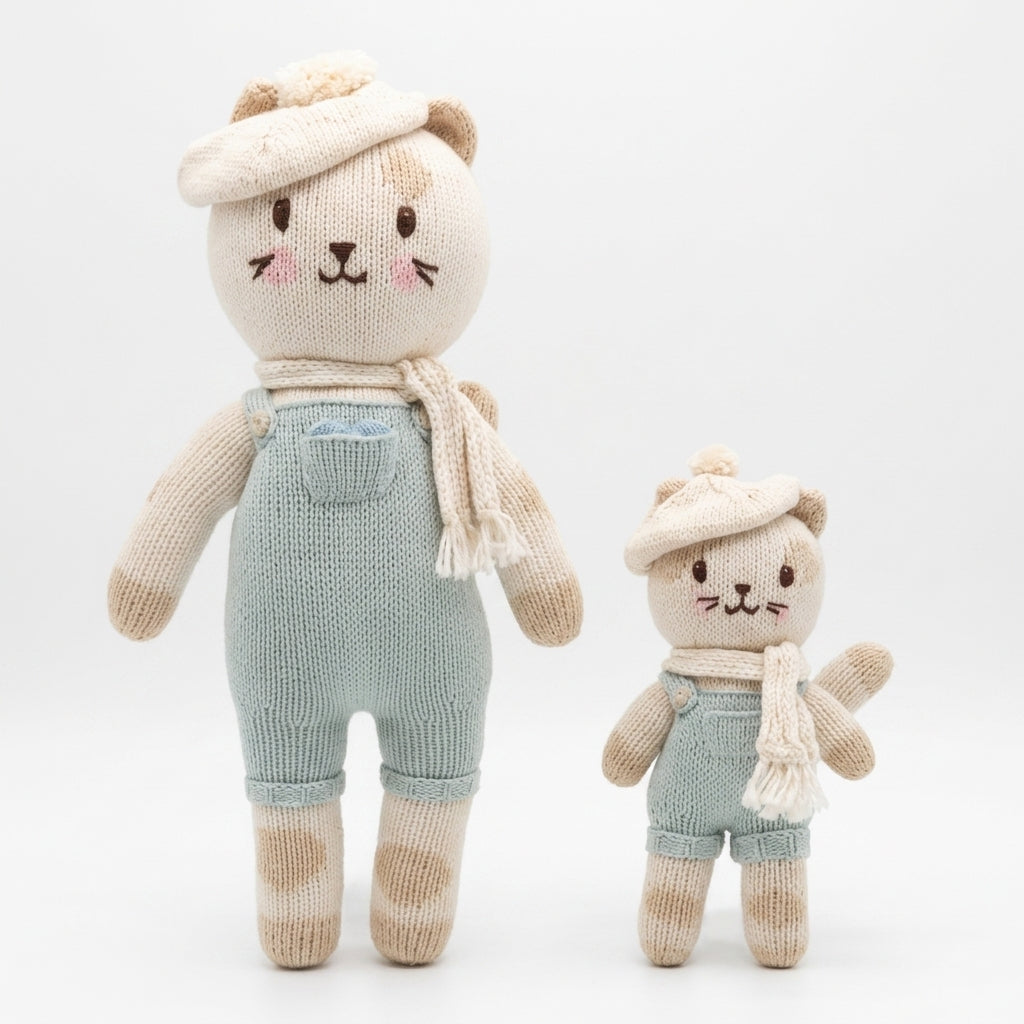
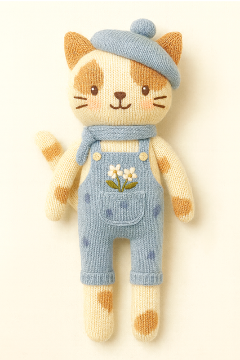
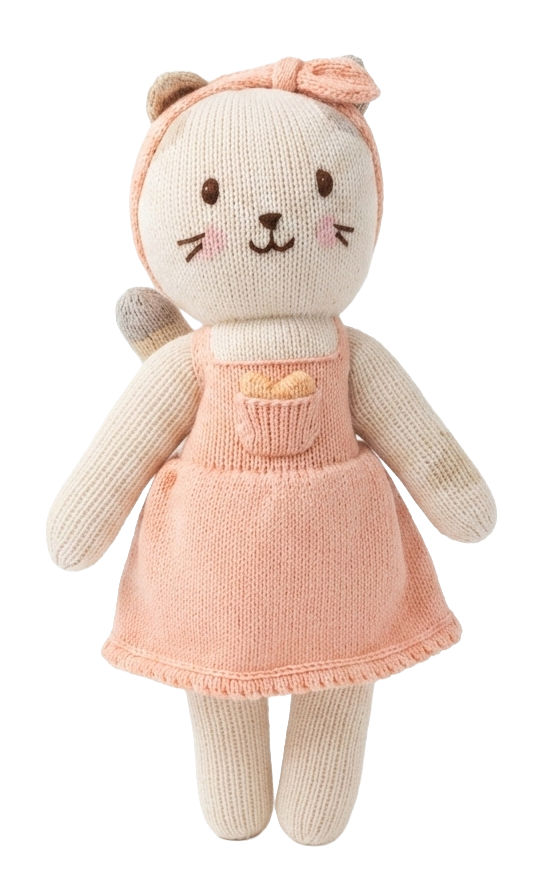
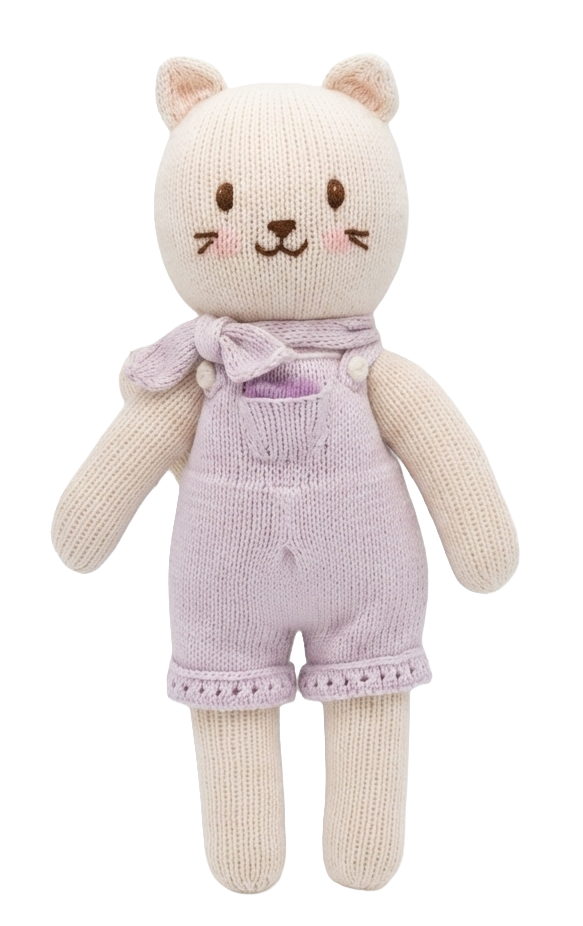
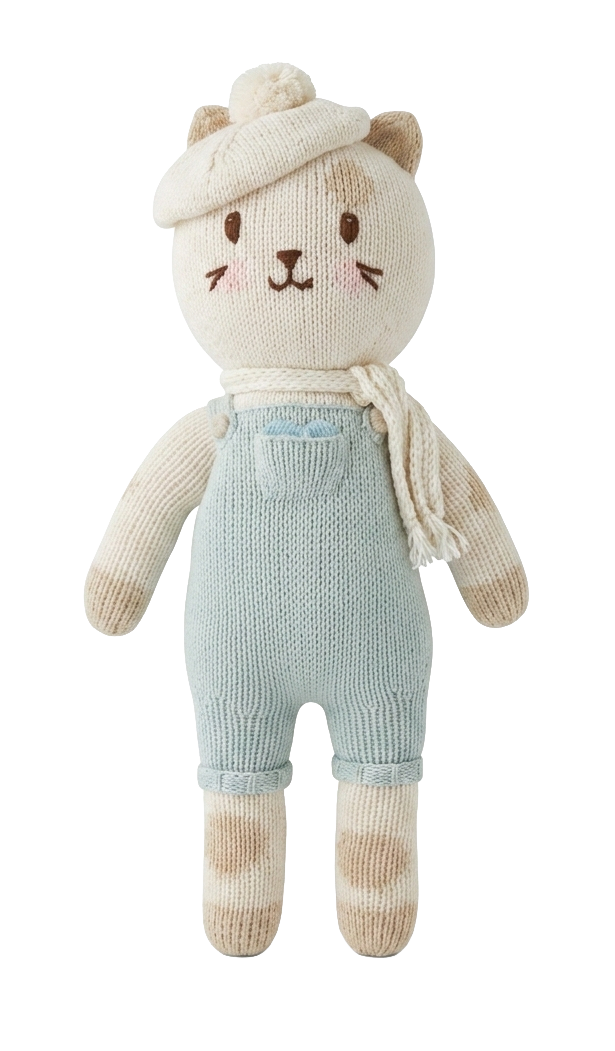
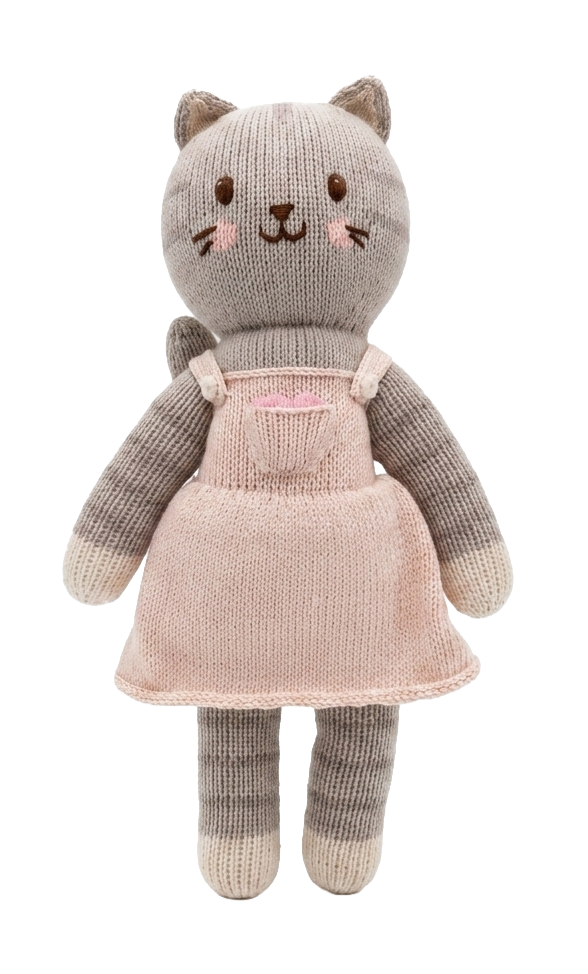
You can explore our Pocket Tails collection of knitted cat dolls, inspired by real rescue cats and designed for years of imaginative play.
As pretend play for 4 year olds becomes more imaginative, children often enjoy toys that can be used in different ways. A dollhouse provides a setting where characters can move between rooms, while dolls and accessories help bring stories to life.
Because the toys are not tied to a single storyline, children can invent new situations every time they play and revisit familiar characters in new adventures.
The same doll that was once carried around like a baby may now become part of a story with a beginning, a middle, and an end.
This growing ability to create and connect ideas is one of the things that makes pretend play for 4 year olds so engaging.

Why Pretend Play for 5 Year Olds Becomes More Detailed
Pretend play for 5 year olds usually becomes richer and more expressive.
Children at this age begin developing longer stories and more defined characters.
Dolls may become members of a family, friends, or figures with their own personalities. The stories begin to include emotions, relationships, and everyday situations that feel important to the child.
Pretend play for 5 year olds often reflects everyday experiences.
Children recreate familiar situations in their own way, sometimes repeating events that mattered to them during the day.
Unlike Pretend Play for 2 Year Olds, which is often centred around familiar routines and repetition, five-year-olds begin expanding those same experiences into longer and more imaginative stories.
A simple bedtime routine can become part of a larger adventure, and everyday situations often grow into detailed storylines filled with characters, relationships, and new ideas.
As parents, it can sometimes be difficult to understand why children return to the same stories or the same toys again and again.
In everyday life, children spend much of their time following routines created by adults. Through pretend play, they have an opportunity to take the lead, make decisions, create rules, and decide what happens next.
Because children are in control of the story, they often become deeply invested in the worlds they create.
At pretend play for 5 year olds, play sessions become longer, and a child may return to the same story and continue it, sometimes days later.
The toys themselves may not change, but the imagination behind them becomes deeper. Children begin thinking about what happened before a story started and what might happen next, creating a stronger sense of continuity between play sessions.
As children become more invested in their stories, they often start exploring how their characters think, feel, and respond to different situations.
A disagreement between friends, a family celebration, or a character helping someone in need can all become part of the story.
These everyday interactions make play feel more realistic and meaningful while encouraging children to see situations from different perspectives.
What often starts as pretend play for 2 year olds gradually becomes more detailed as children grow.
As pretend play for 5 year olds becomes more detailed, many children begin building small pretend worlds where dolls, furniture, and accessories all belong together.
Toys that leave room for imagination work particularly well because they can become part of many different stories.
A doll might be a sibling one day, a friend the next, and the main character in a completely different adventure a week later.
As these worlds become more detailed, children often return to the same characters and storylines again and again, adding new ideas each time they play.
This is one of the reasons open-ended toys often remain favourites for years.
The same doll, dollhouse, or accessory that captures a toddler's attention can continue supporting increasingly complex stories and pretend play for 5 year olds.

How Pretend Play for 6 Year Olds Becomes Deeper and More Independent
Pretend play for 6 year olds often becomes more independent and immersive. Children can stay engaged in pretend play for longer periods of time and develop stories that continue across multiple play sessions.
Characters may return again and again, often with distinct personalities and roles.
Pretend play for 6 year olds often combines imagination with a growing understanding of the real world. Stories may include both familiar everyday situations and completely imaginary adventures.
A dollhouse may become more than a house - it can become an entire world where stories unfold.
The same familiar toys begin to support more complex ideas, relationships, and storylines.
The stories themselves also become more emotionally detailed.
A doll might become a best friend, a sibling, a parent, or a character who needs help and comfort. Children often act out situations they recognize from their own lives, exploring feelings such as excitement, disappointment, kindness, and empathy.
This emotional depth is one of the defining characteristics of pretend play for 6 year olds, as children begin creating stories with more complex relationships and emotions.
As their understanding of people grows, their stories become richer, more personal, and more nuanced.
Children often become more selective about the worlds they create.
Rather than needing more features, they often benefit from toys that adapt to their ideas.
A simple wooden dollhouse or a collection of familiar accessories can support increasingly detailed stories without limiting where the imagination goes next.
Because the toys are flexible, they can easily become part of new settings, new characters, and entirely new adventures.
As children's stories become more detailed, many parents look for dollhouses and accessories that can adapt to different stages of play.
Our collection of wooden dollhouses is designed to grow alongside children's imagination, supporting everything from simple pretend routines to complex imaginative worlds.
As these worlds become more detailed, children often return to the same characters and storylines again and again, adding new ideas each time they play.
This is one of the reasons open-ended toys often remain favourites for years.
The toys may stay the same, but the stories continue to evolve, making them a natural part of pretend play for 6 year olds.

Why Pretend Play for 8 Year Olds Still Matters
Pretend Play for 8 Year Olds often looks quieter from the outside, but it can remain deeply meaningful.
While younger children may act out their stories through movement and role play, older children often become more focused on the ideas behind the story itself.
Older children may develop storylines that continue over weeks or even months.
They return to familiar characters, build relationships between them, and gradually expand the worlds they have created.
A doll, a dollhouse, or a collection of small figures can become part of an ongoing story that continues to evolve over time.
Pretend play for 8 year olds often becomes more imaginative and personal.
Some children begin drawing scenes from their stories or writing them down, while others continue acting them out with dolls and small objects.
The line between storytelling, creativity, and pretend play often becomes less defined.
Looking back, it is remarkable how far children can travel through play.
What begins as simple imitation in Pretend Play for 2 Year Olds can gradually develop into rich stories, memorable characters, and entire imaginary worlds. Pretend play does not suddenly disappear as children grow. Instead, it changes form and adapts to new interests and abilities.
When toys offer flexibility and room for imagination, children often continue returning to them long after parents expect.
This is one of the reasons open-ended toys can continue supporting pretend play for 8 year olds. The stories become more detailed, the ideas become more personal, and the play itself takes on new meaning through pretend play for 8 year olds.
"Imagination is more important than knowledge. For knowledge is limited, whereas imagination embraces the entire world."
— Albert Einstein
Childhood is often where that imagination begins to take shape.
Through pretend play for 8 year olds, children create stories, explore relationships, solve problems, and build worlds of their own.
The toys they return to again and again are often the ones that leave room for imagination rather than defining it.
Whether you're looking for pretend play for 2 year olds or pretend play for 8 year olds, discover our collection of wooden dollhouses, Pocket Tails knitted cat dolls, and felt food pretended play designed to grow with your child's imagination.

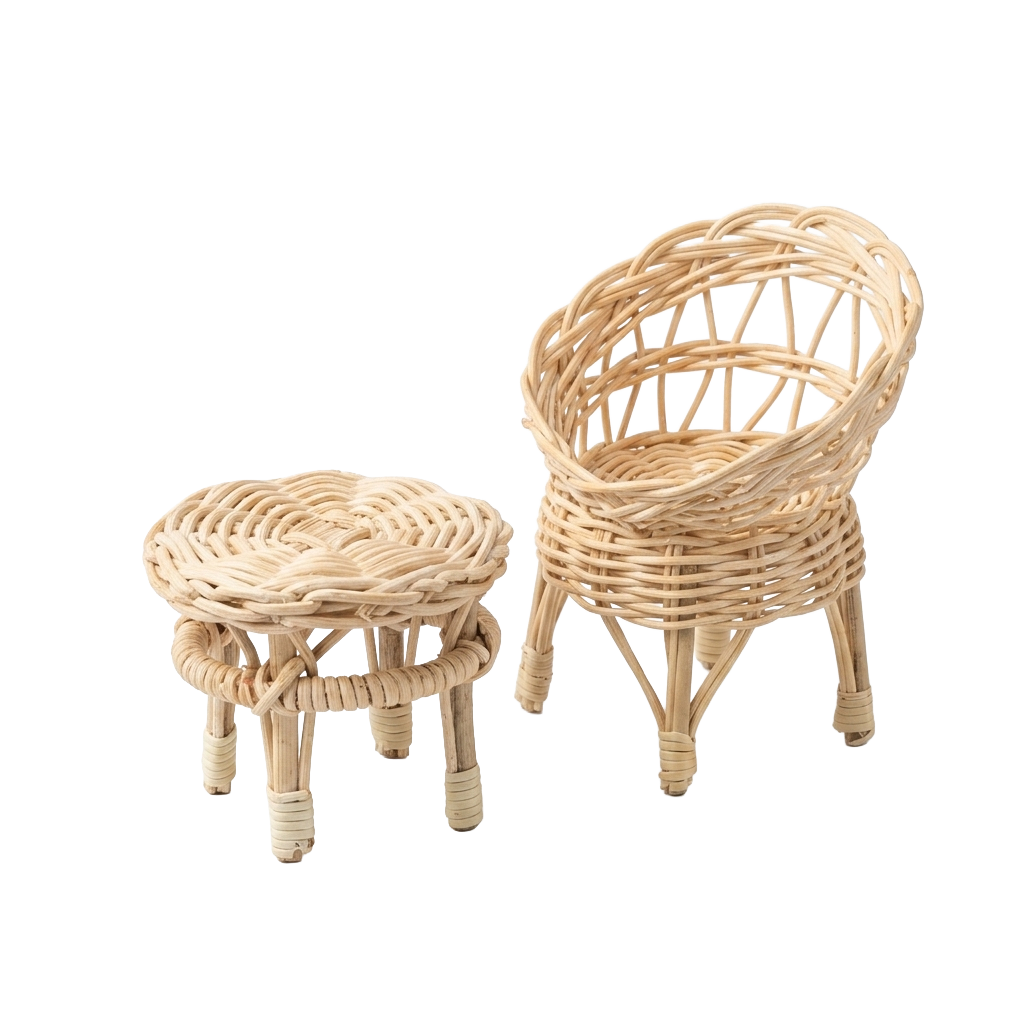
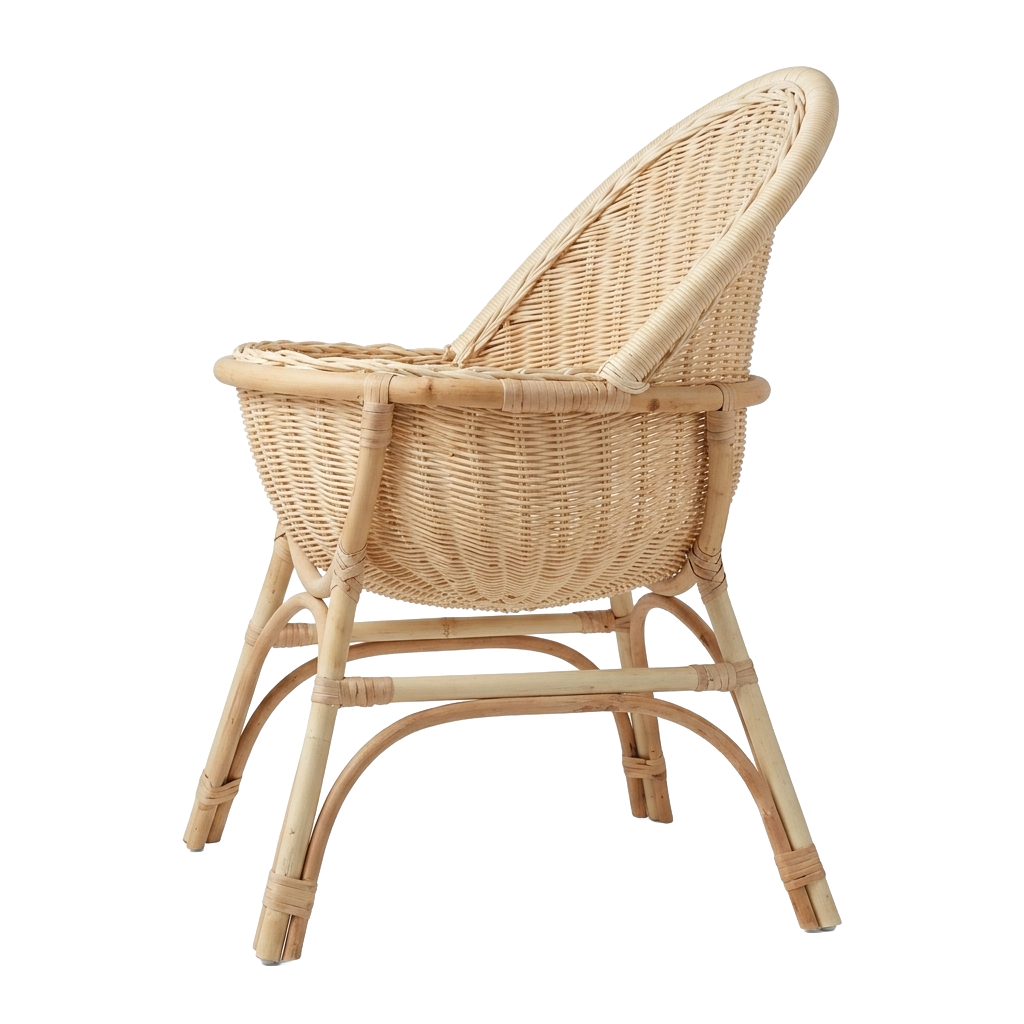
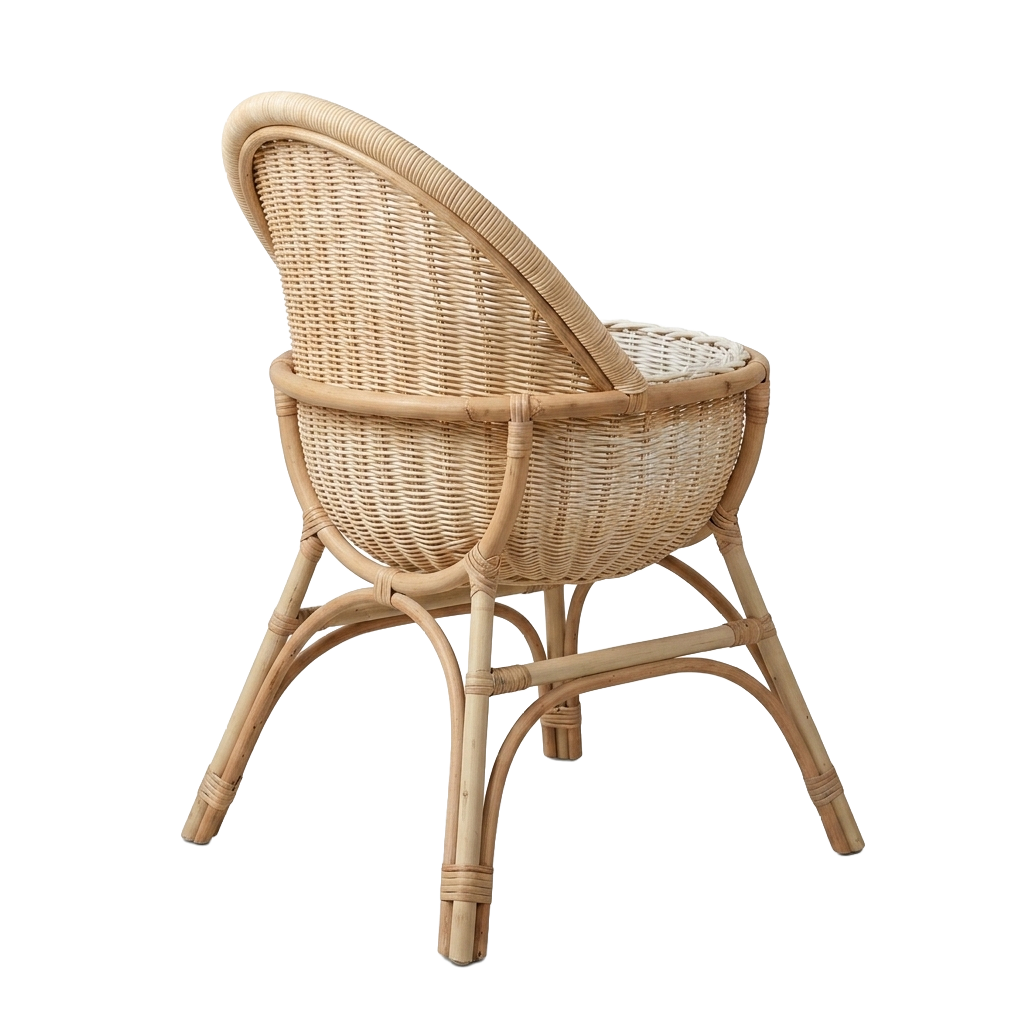
The toys children return to again and again are often the ones that leave room for imagination and grow with them over time. Below, we’ve gathered a few pieces that can naturally become part of those everyday pretend play moments at home.